Opus 1
Opus 2
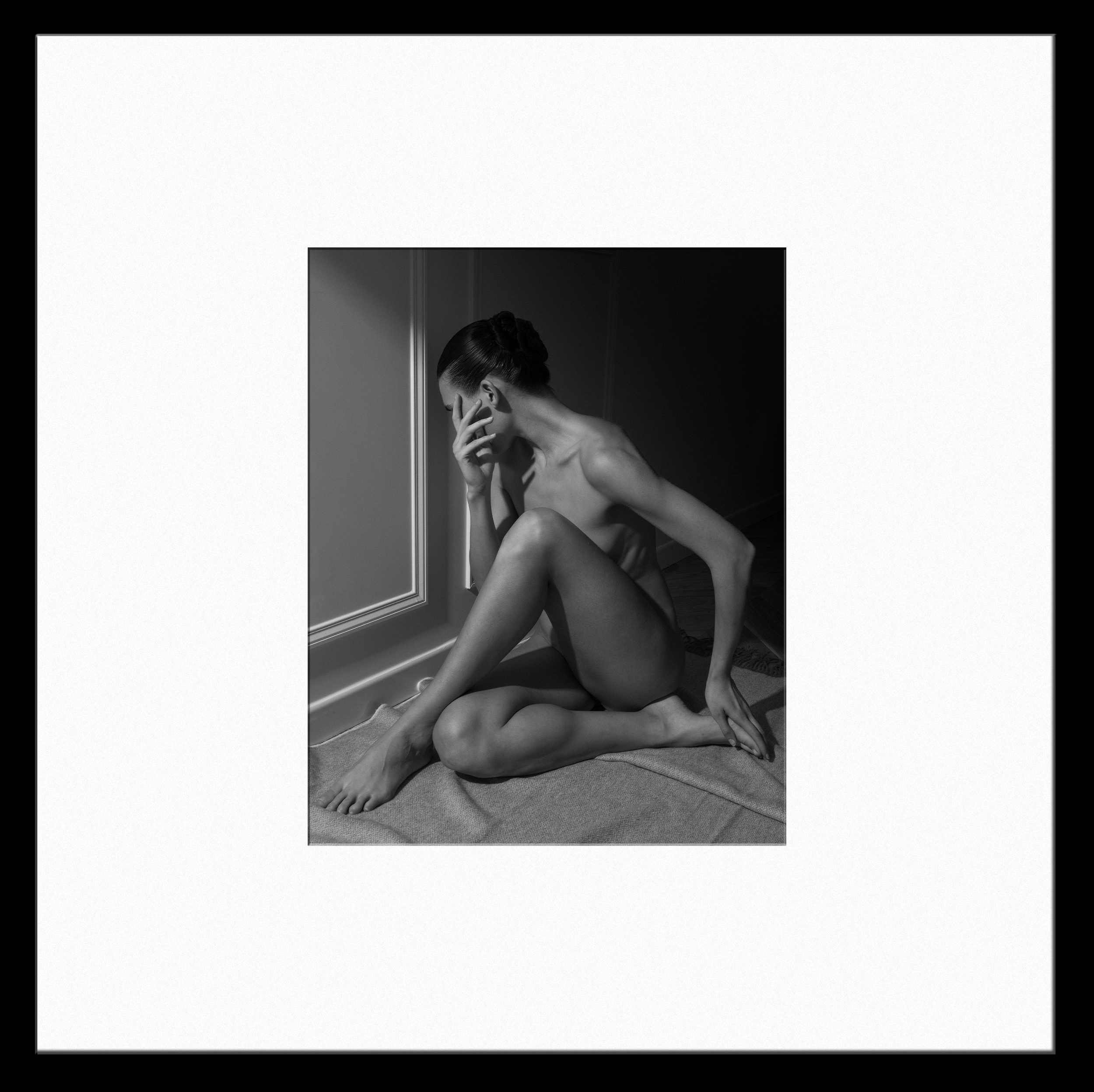
Opus 3
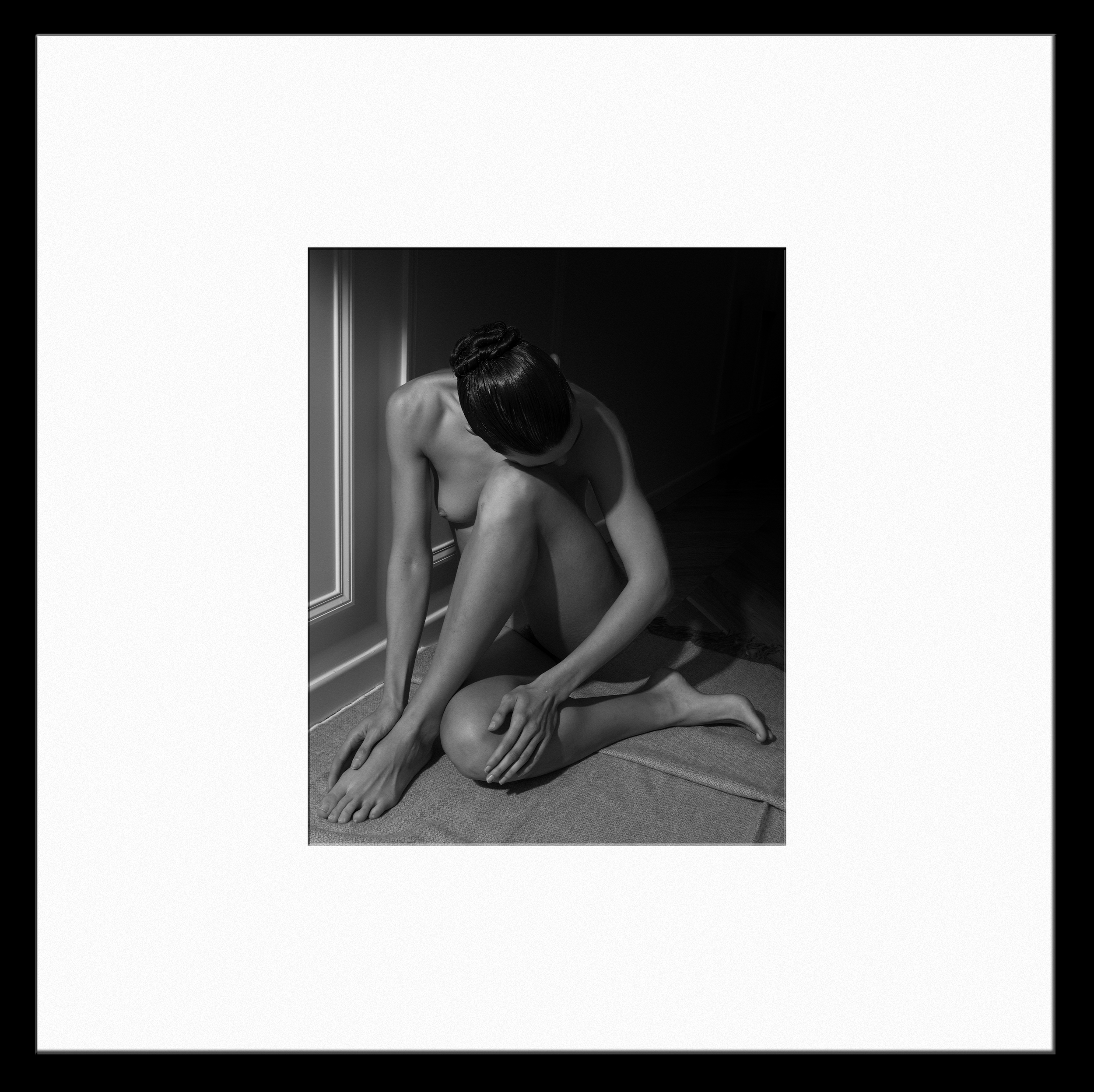
Opus 4
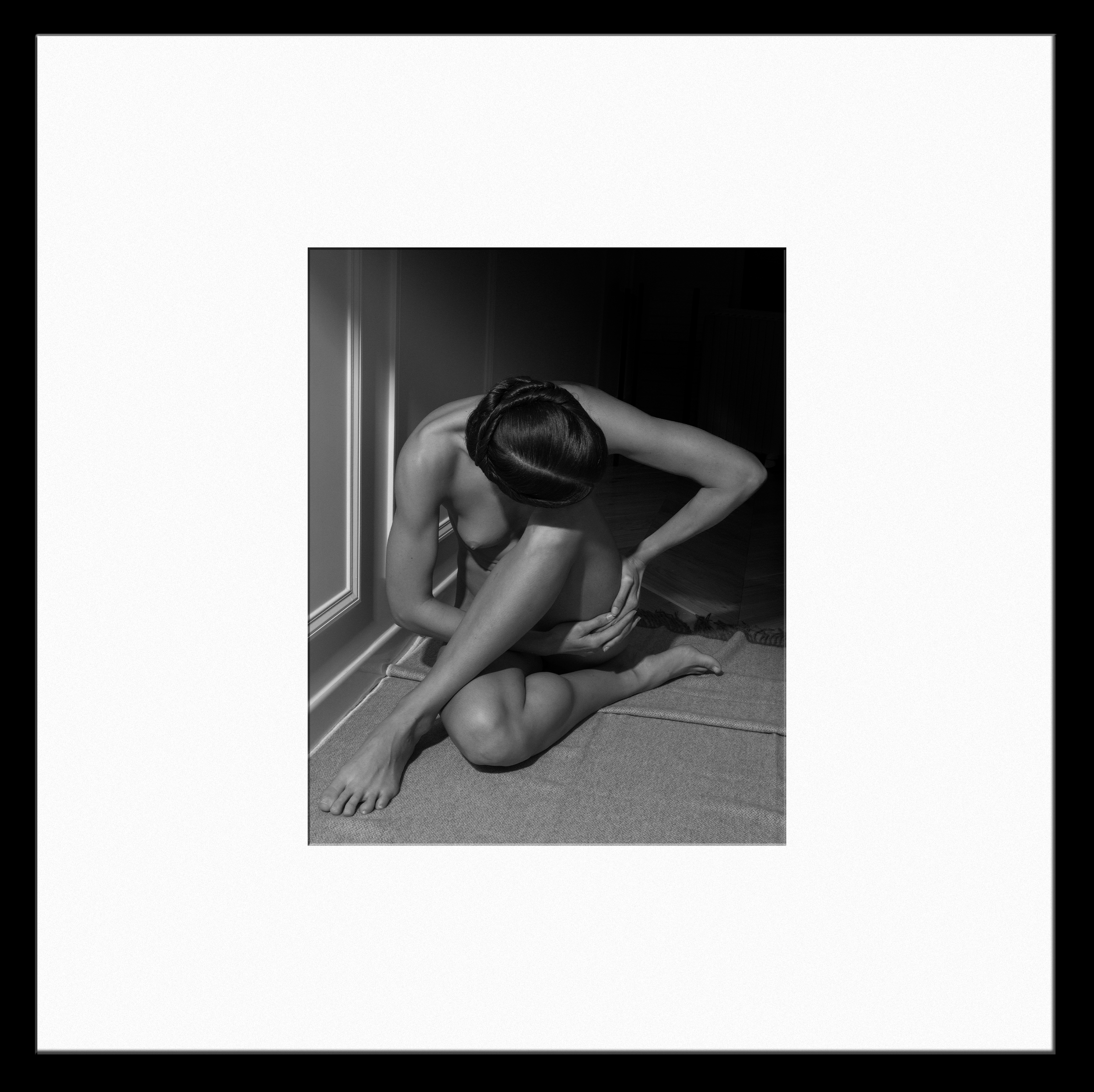
Opus 5
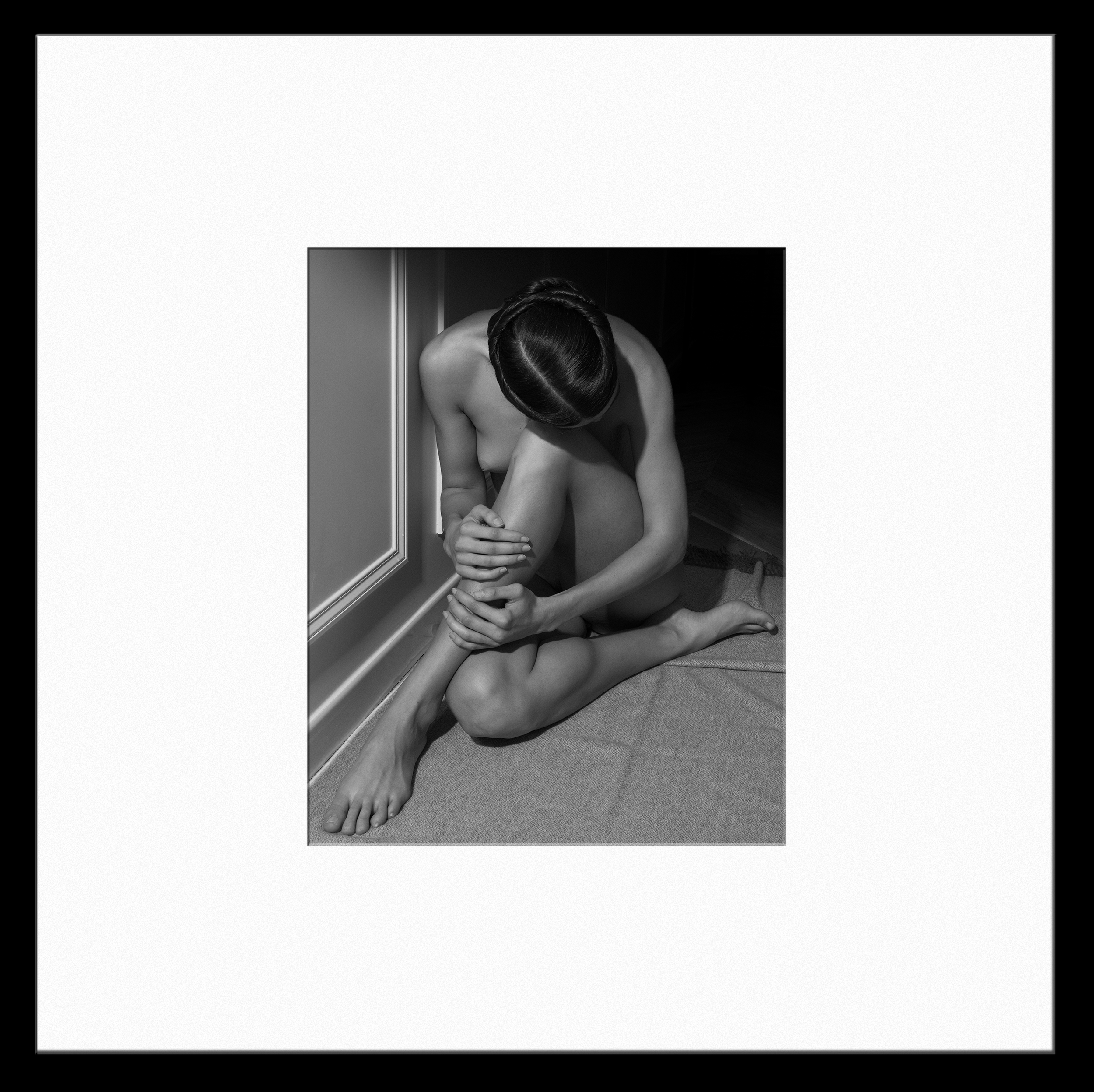
Opus 6
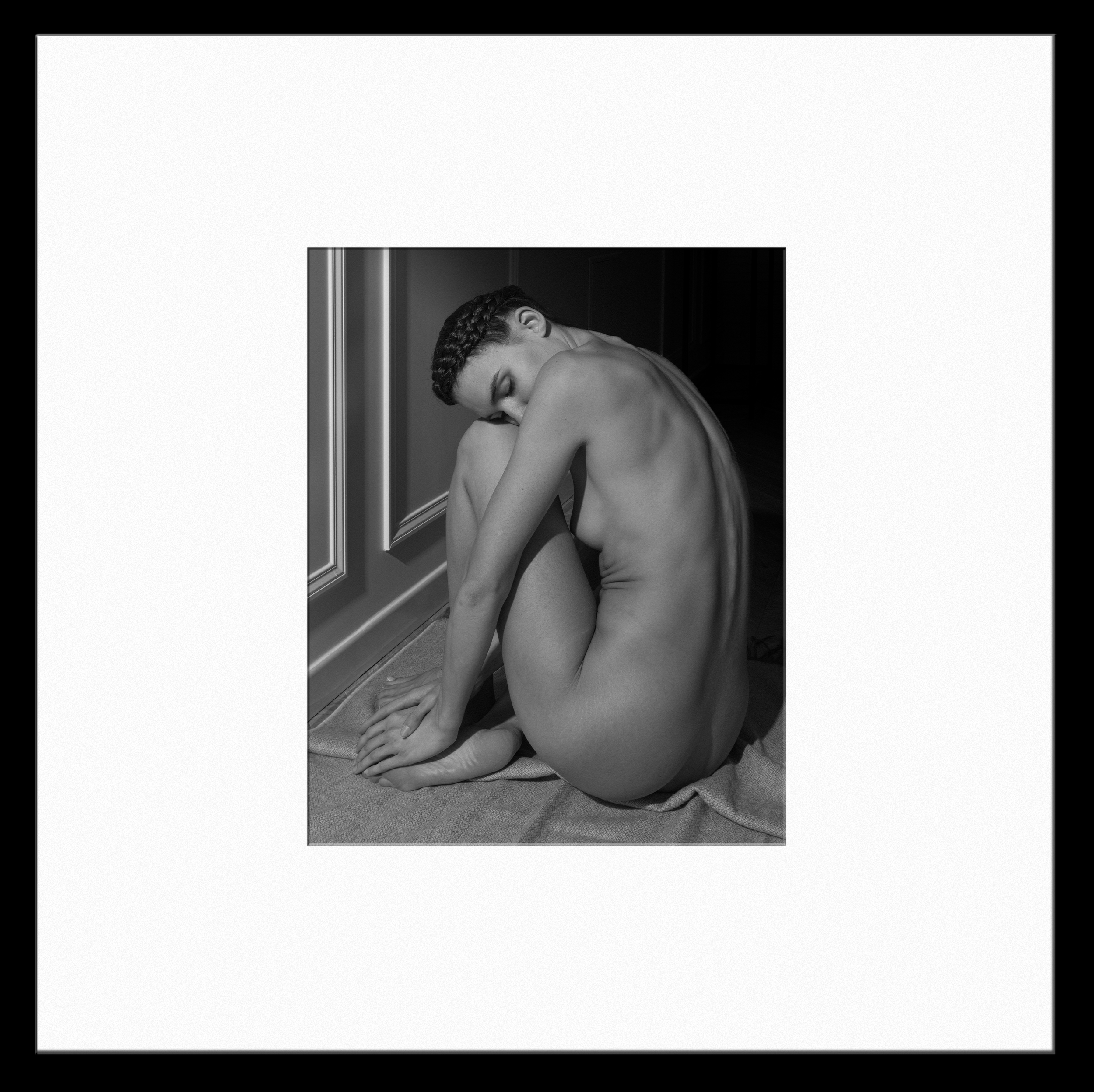
Opus 7
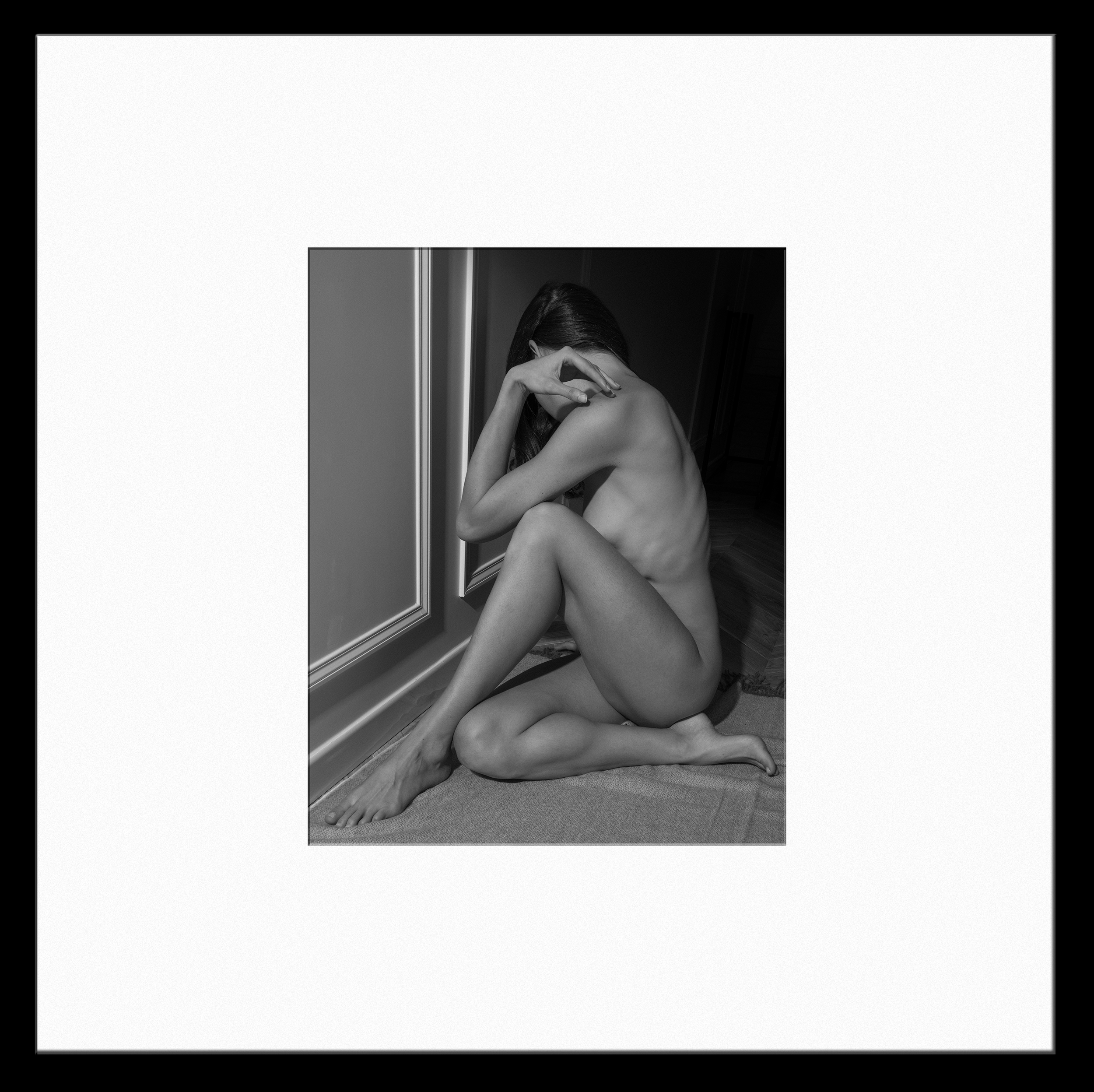
Opus 8
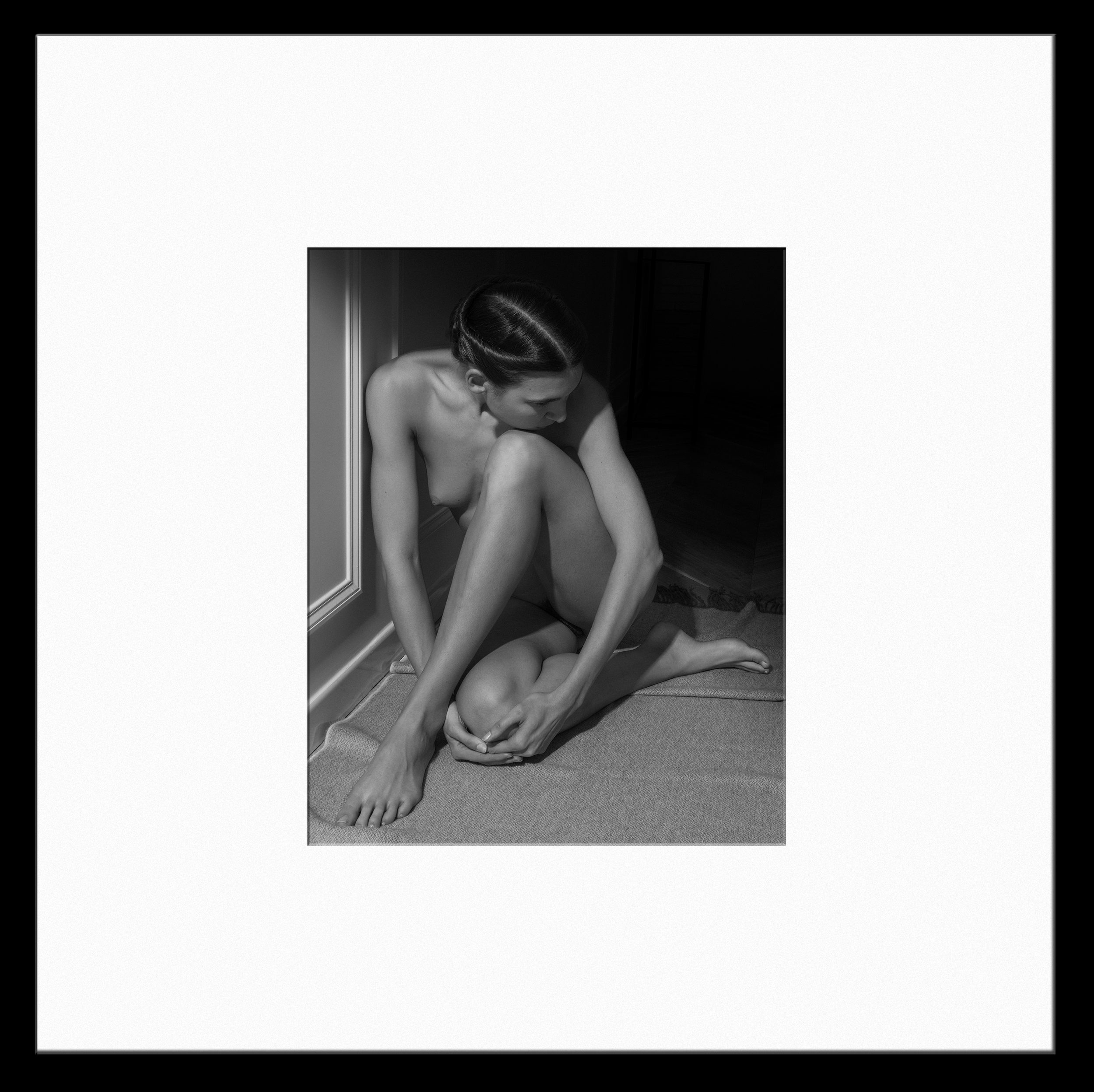
Opus 9
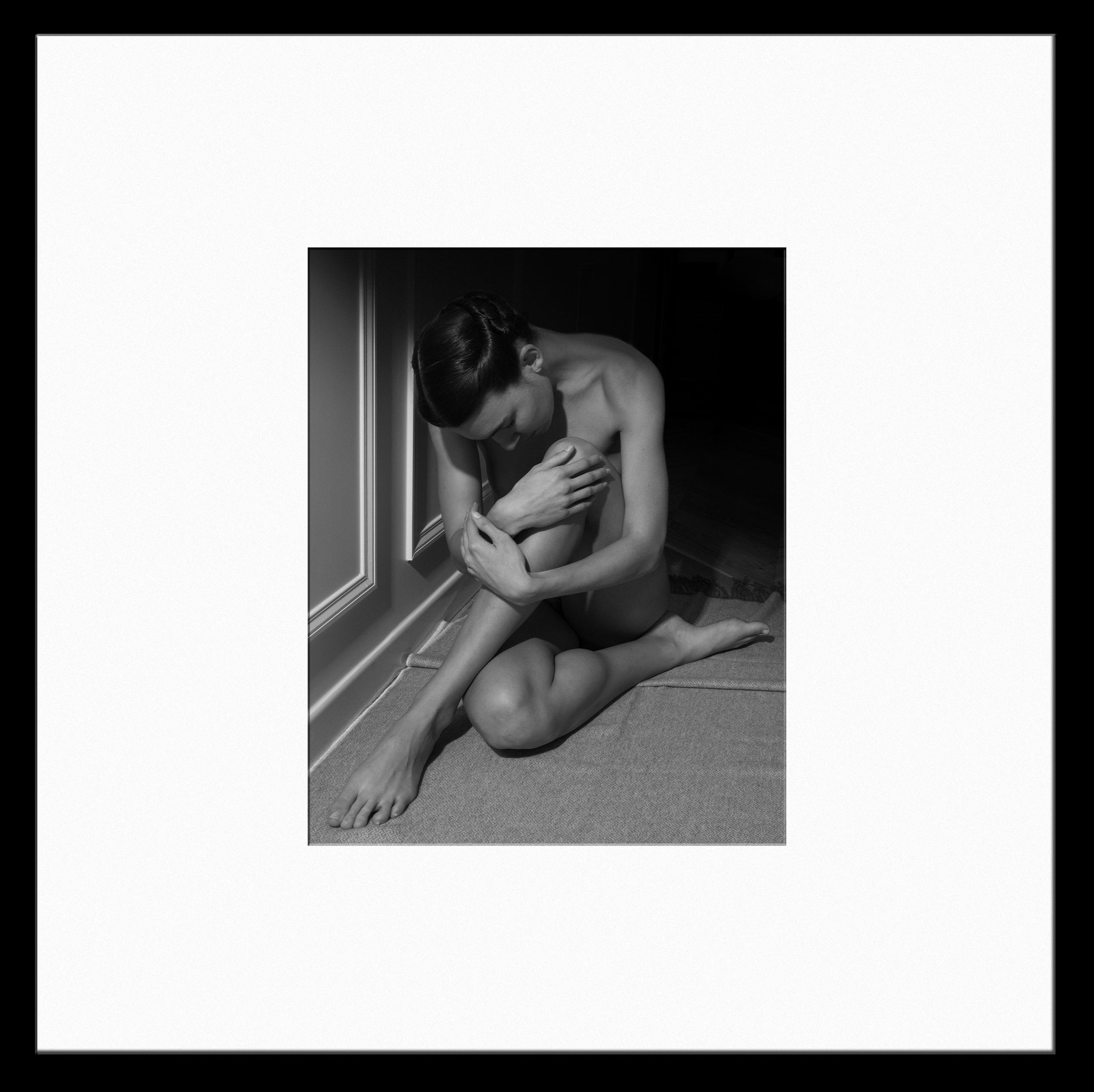
Opus 10
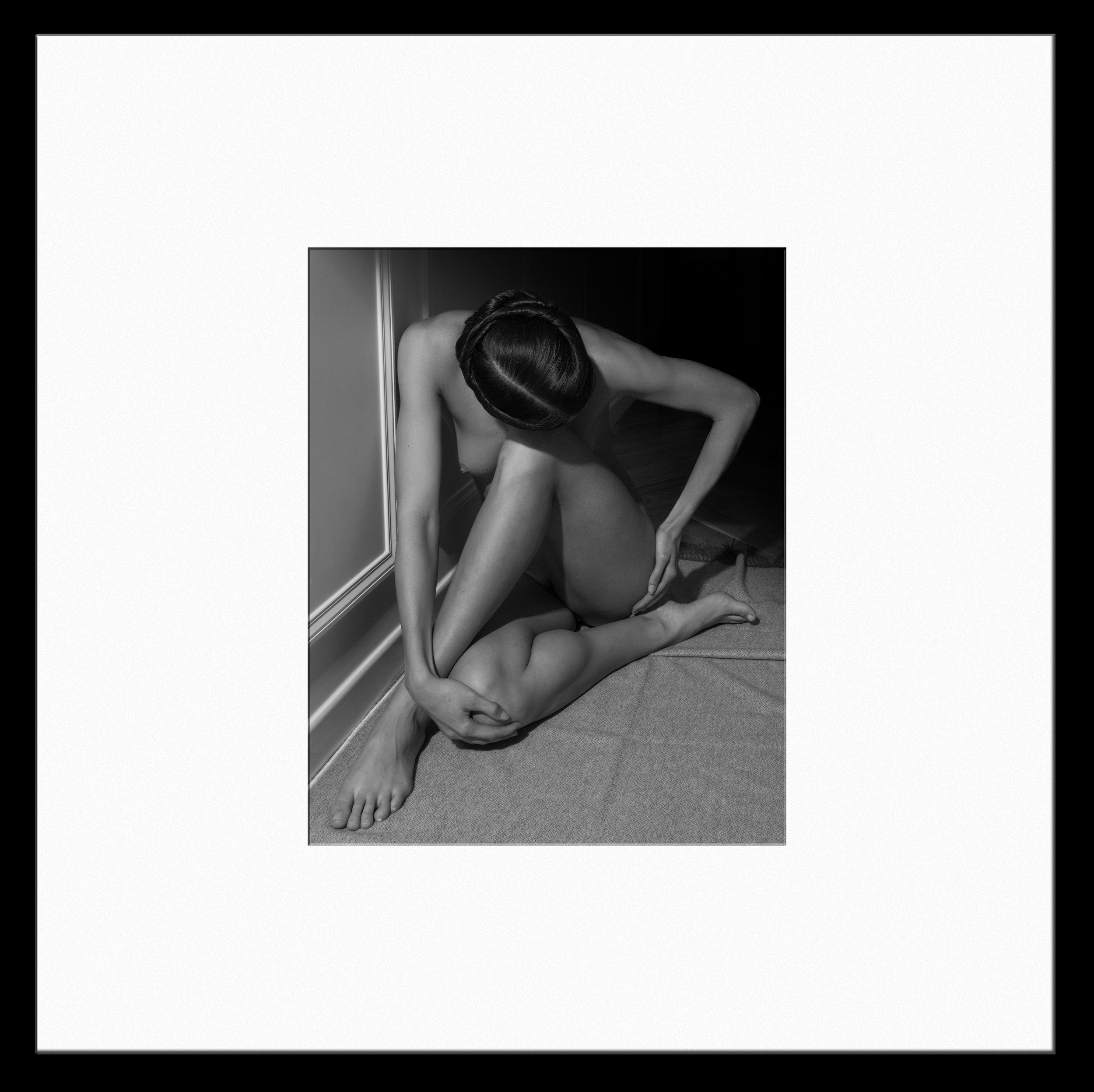
Opus 11
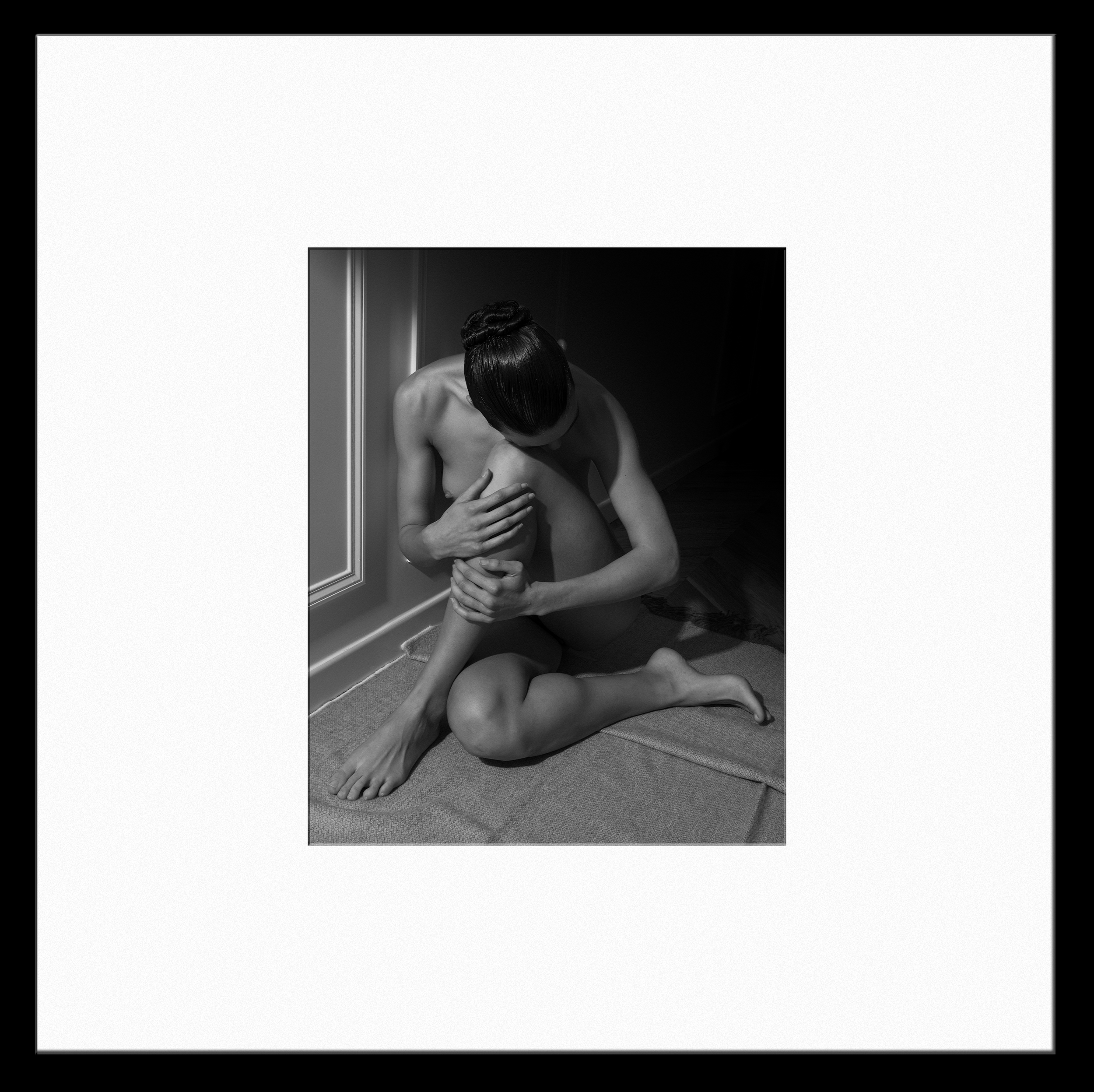
Opus 12
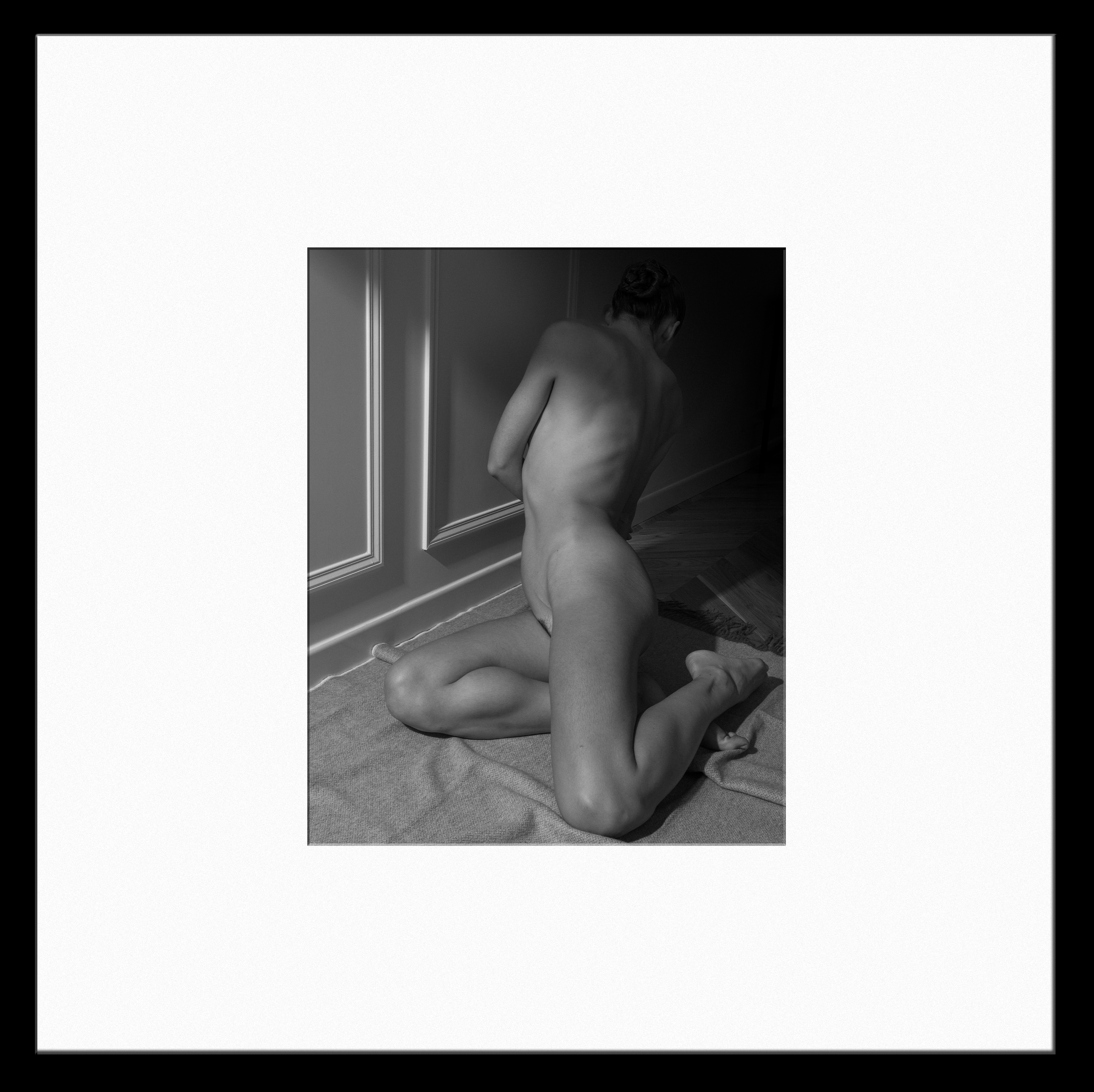
Opus 13
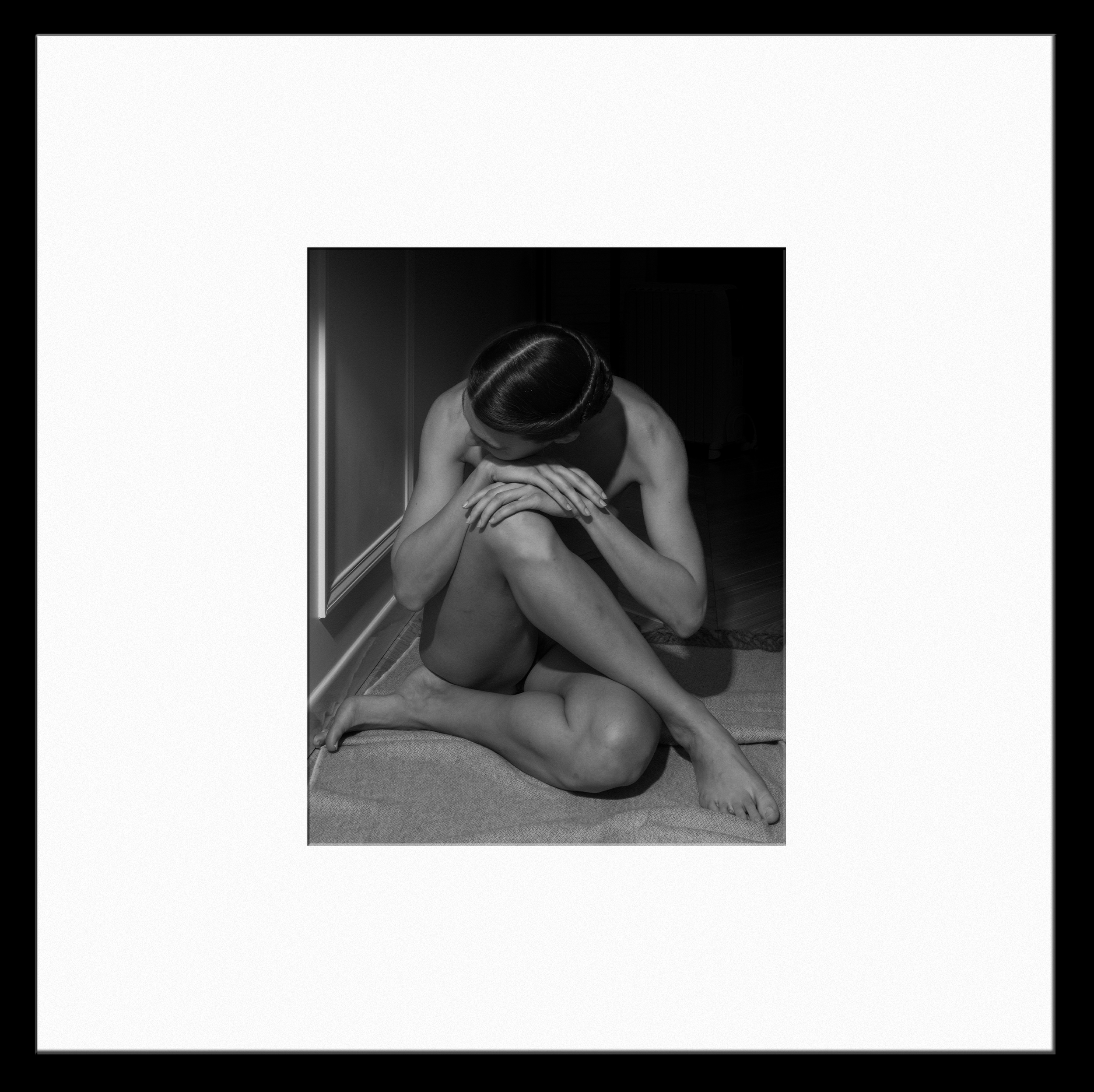
Opus 14
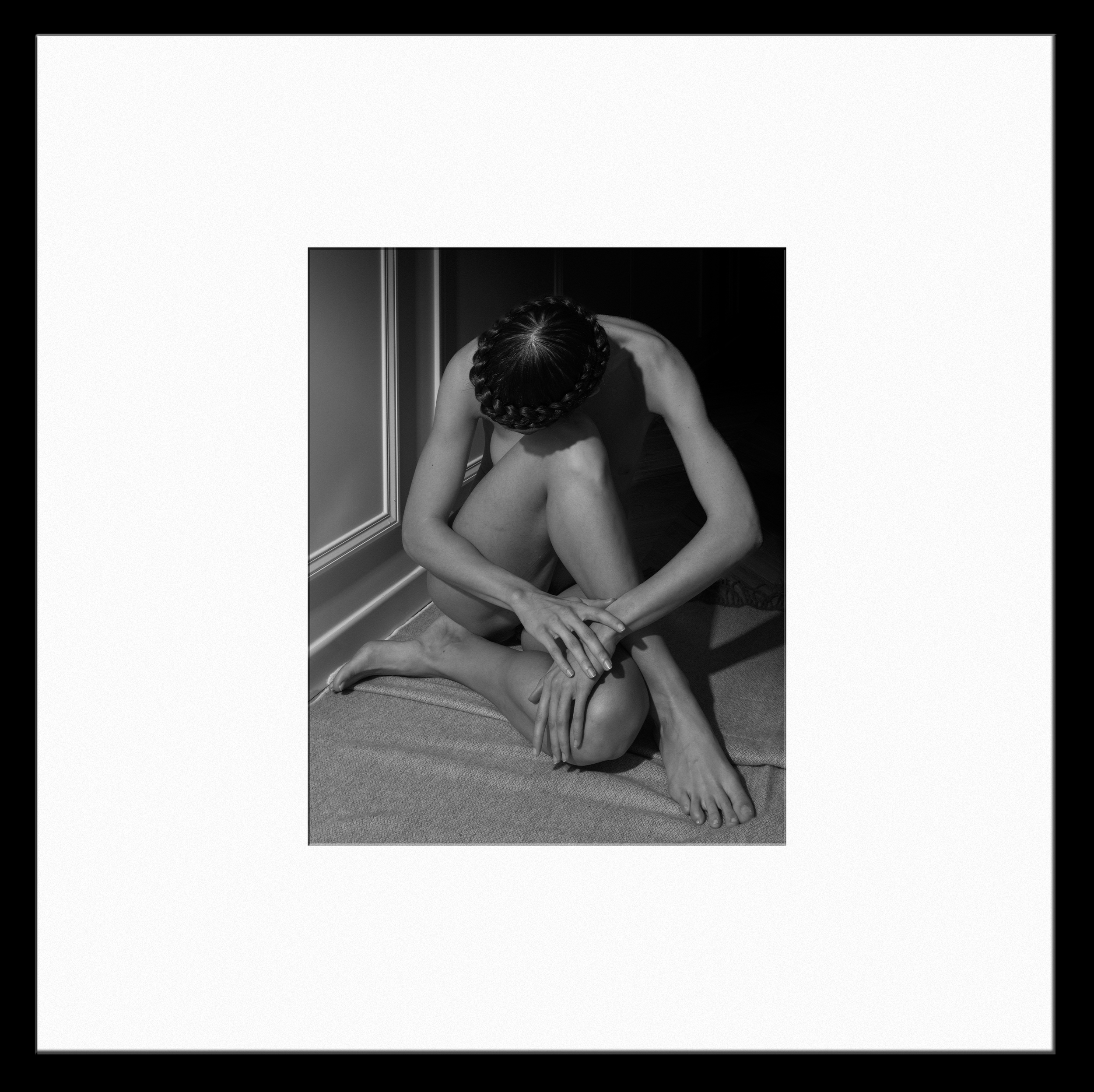
Opus 15
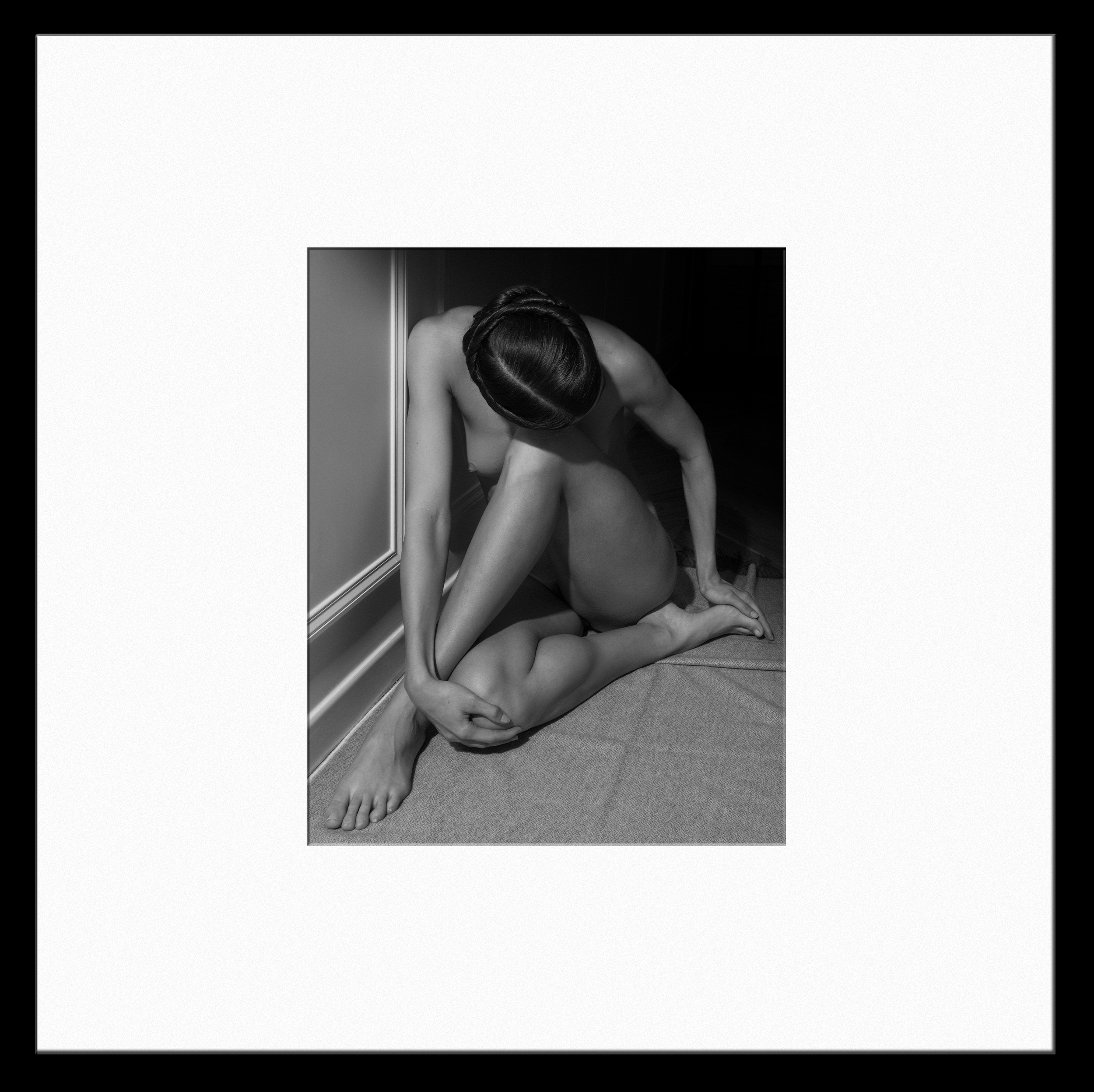
Opus 16
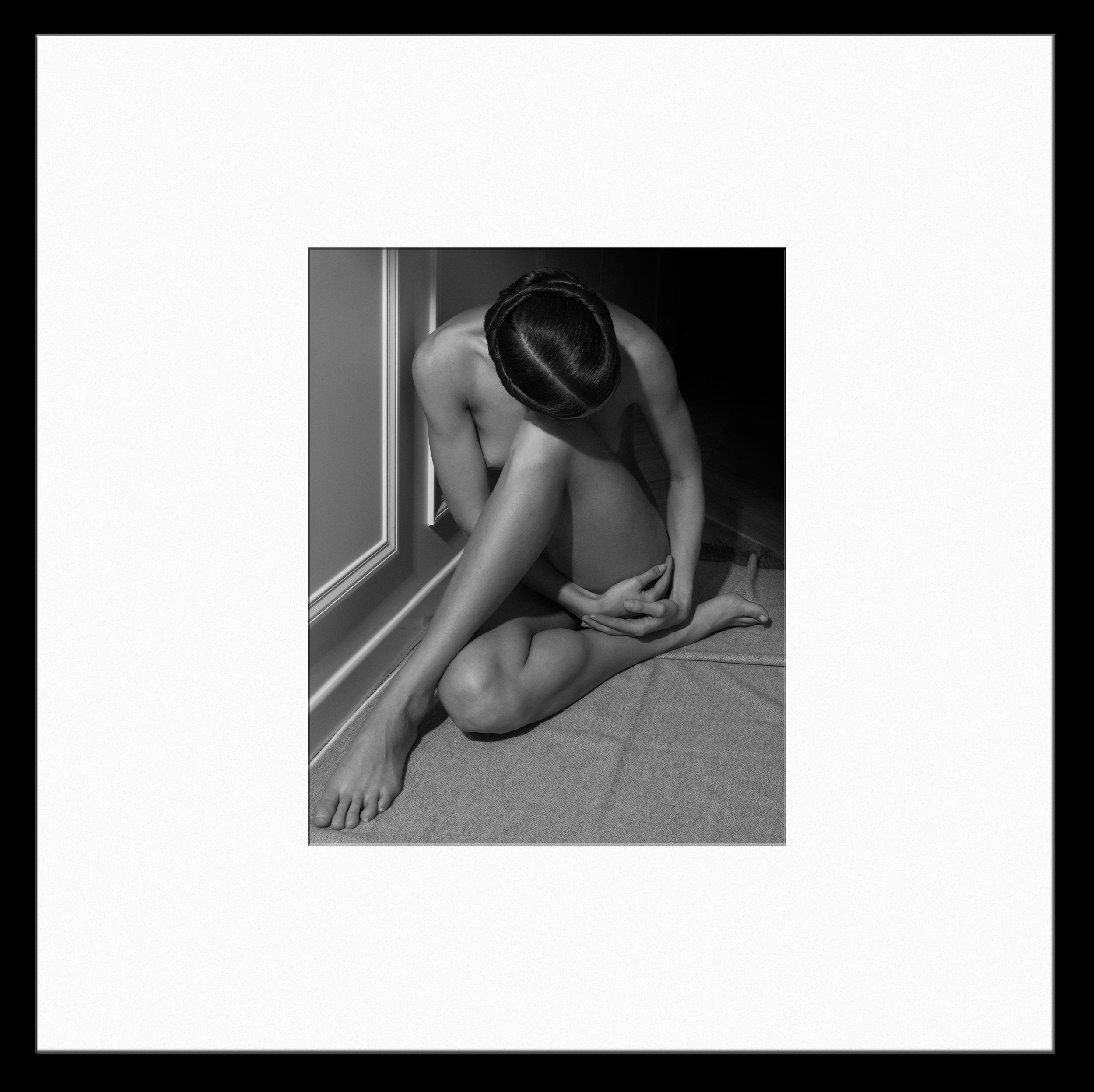
Opus 17
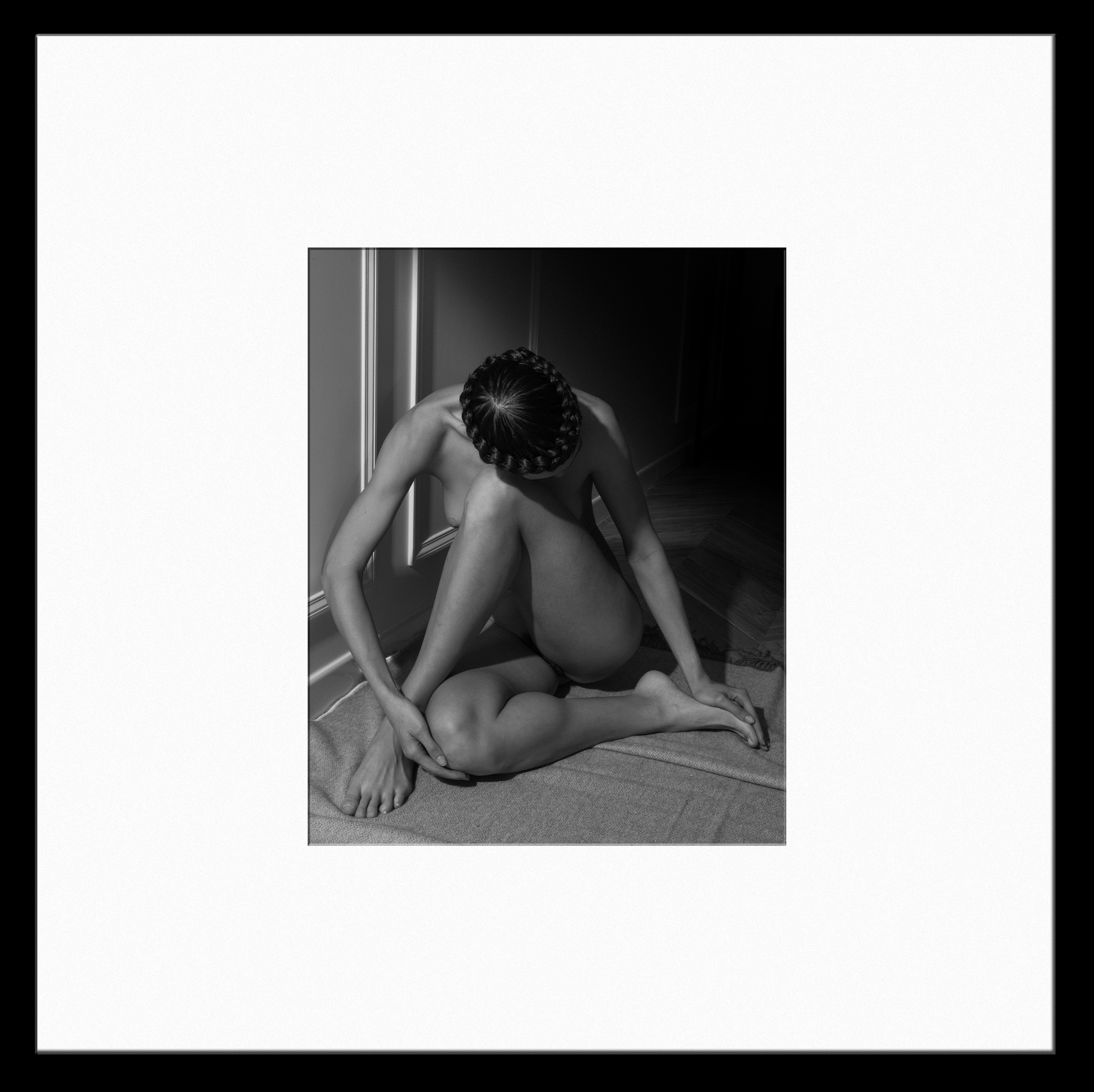
Opus 18
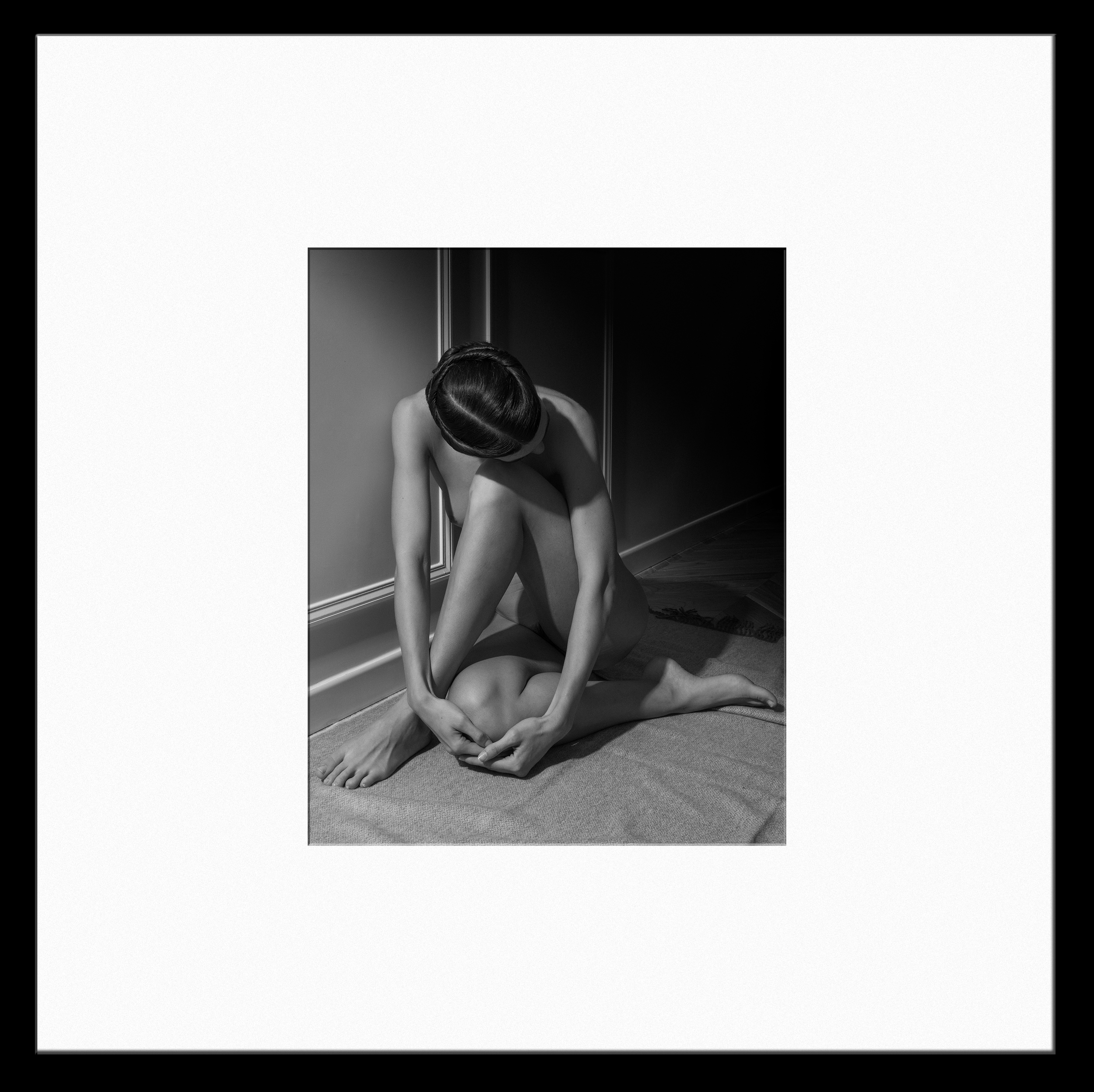
Opus 19
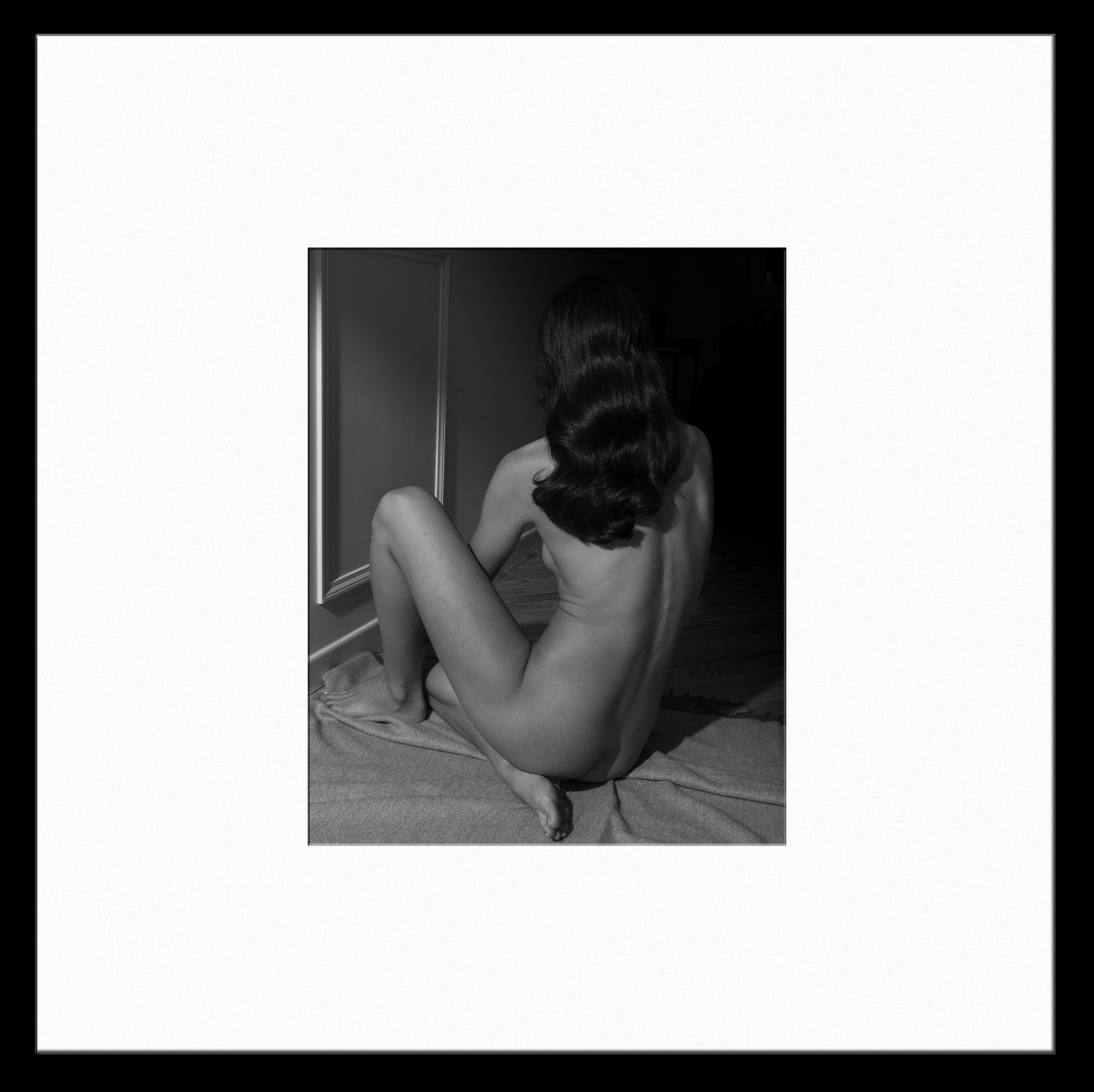
Opus 20
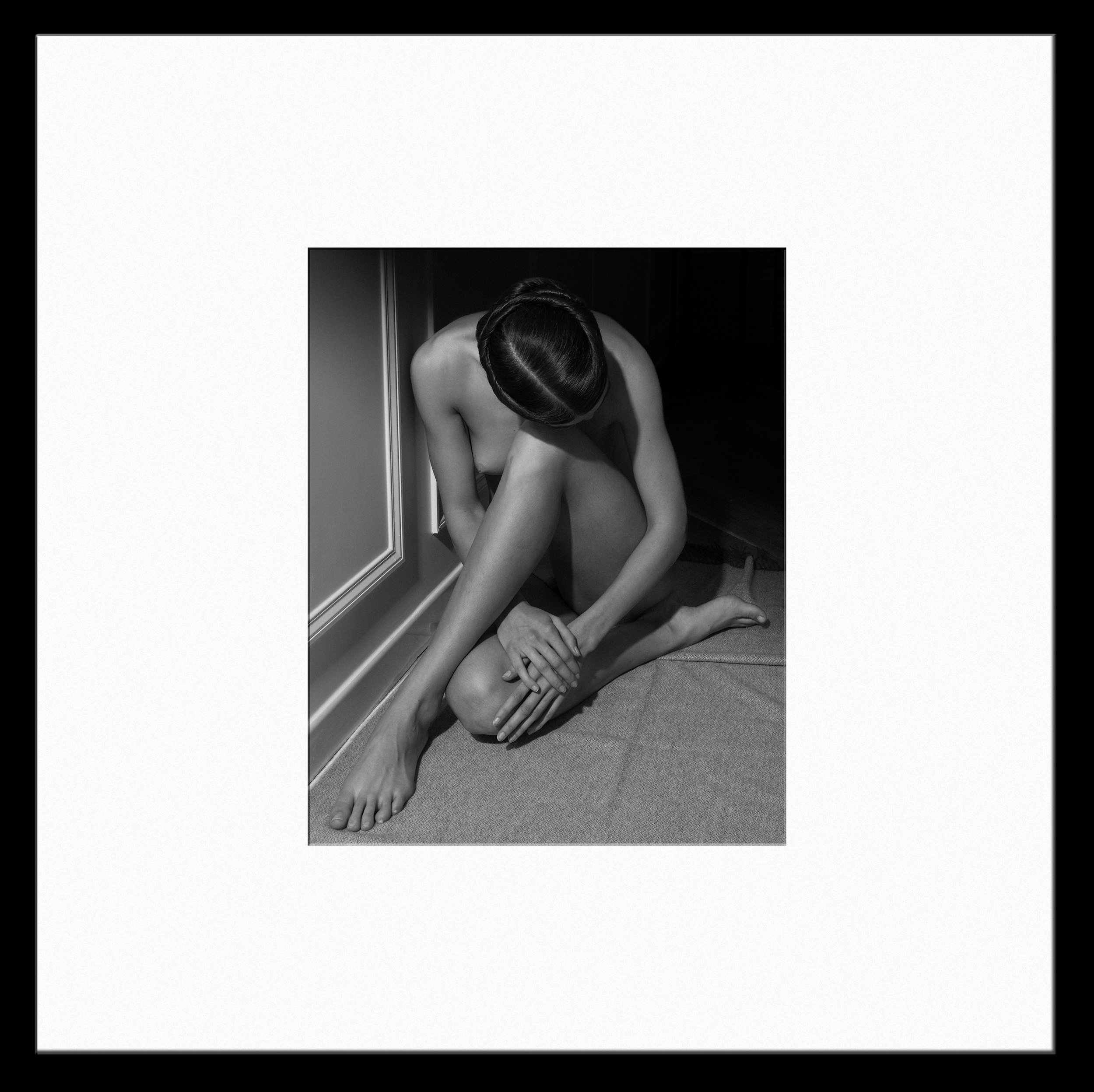
Opus 21
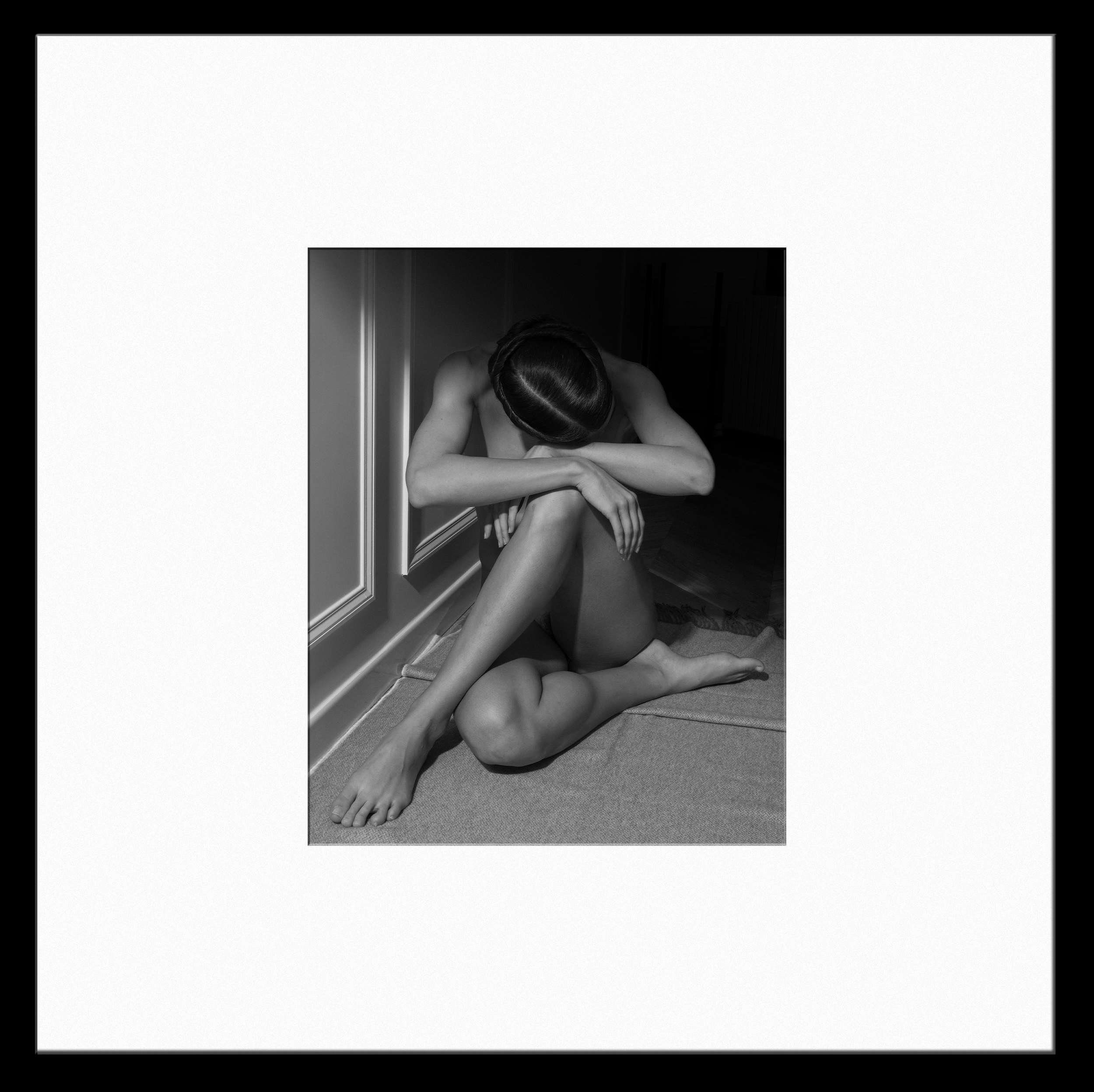
Opus 22
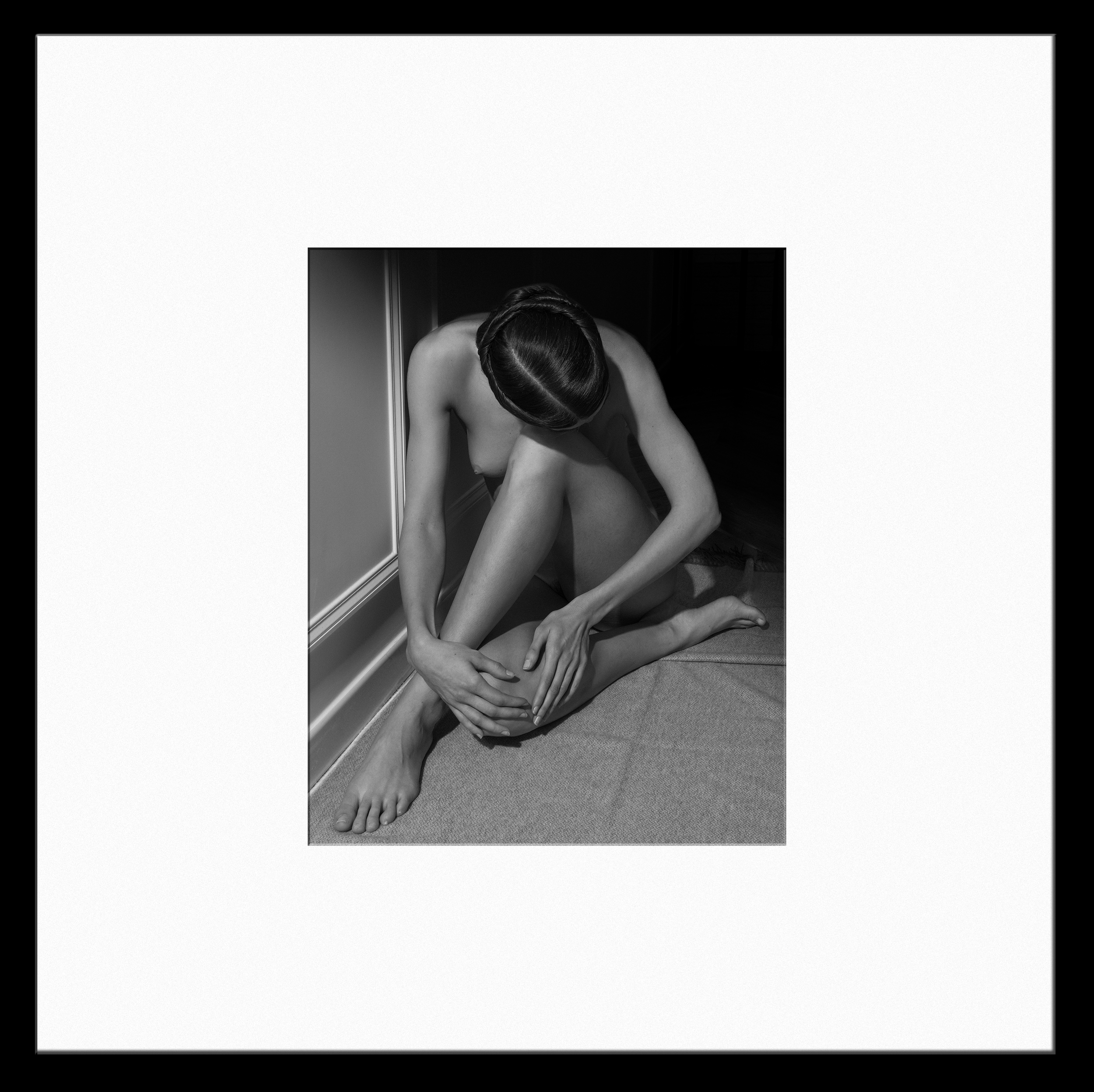
Opus 23
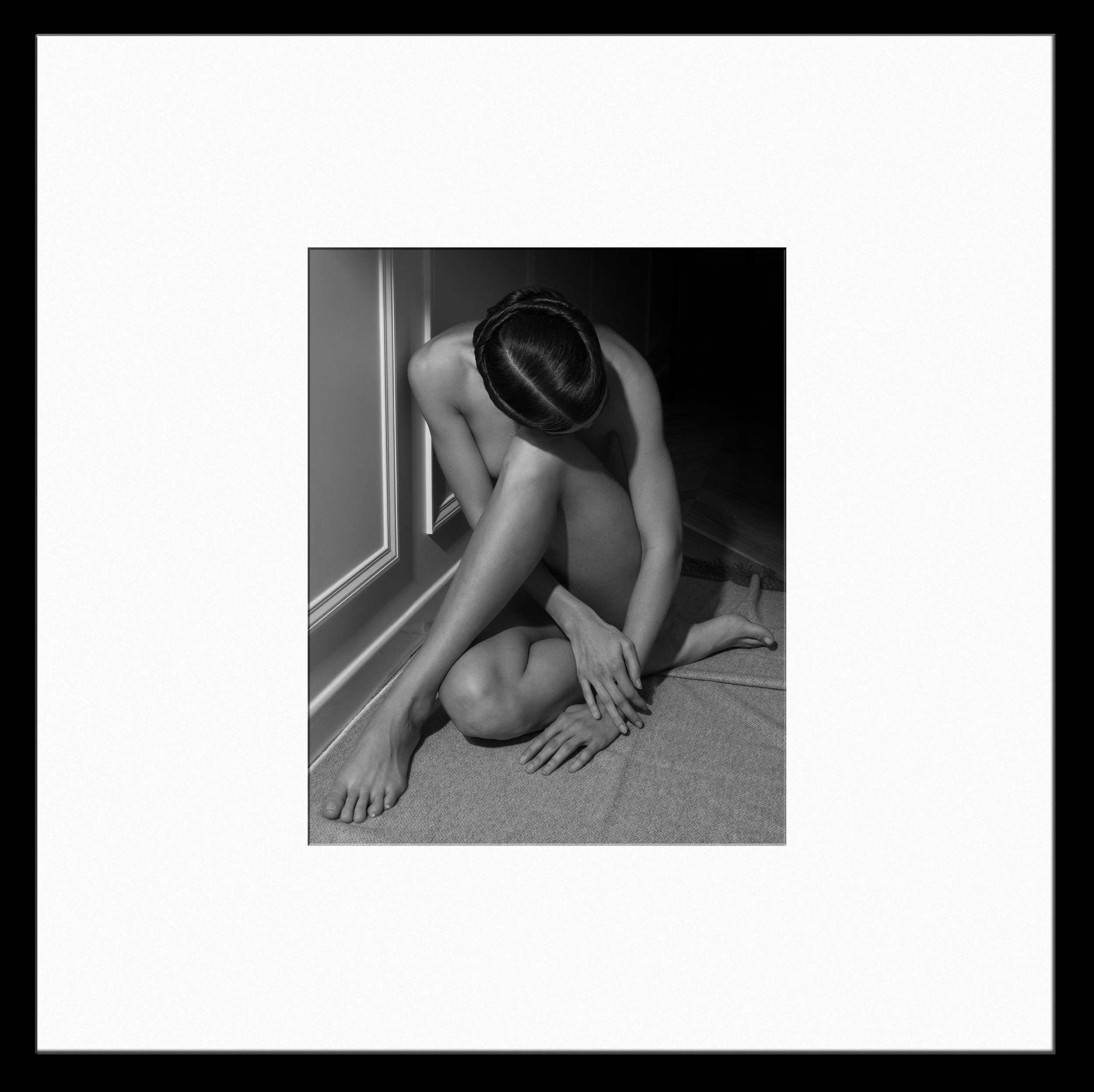
Opus 24
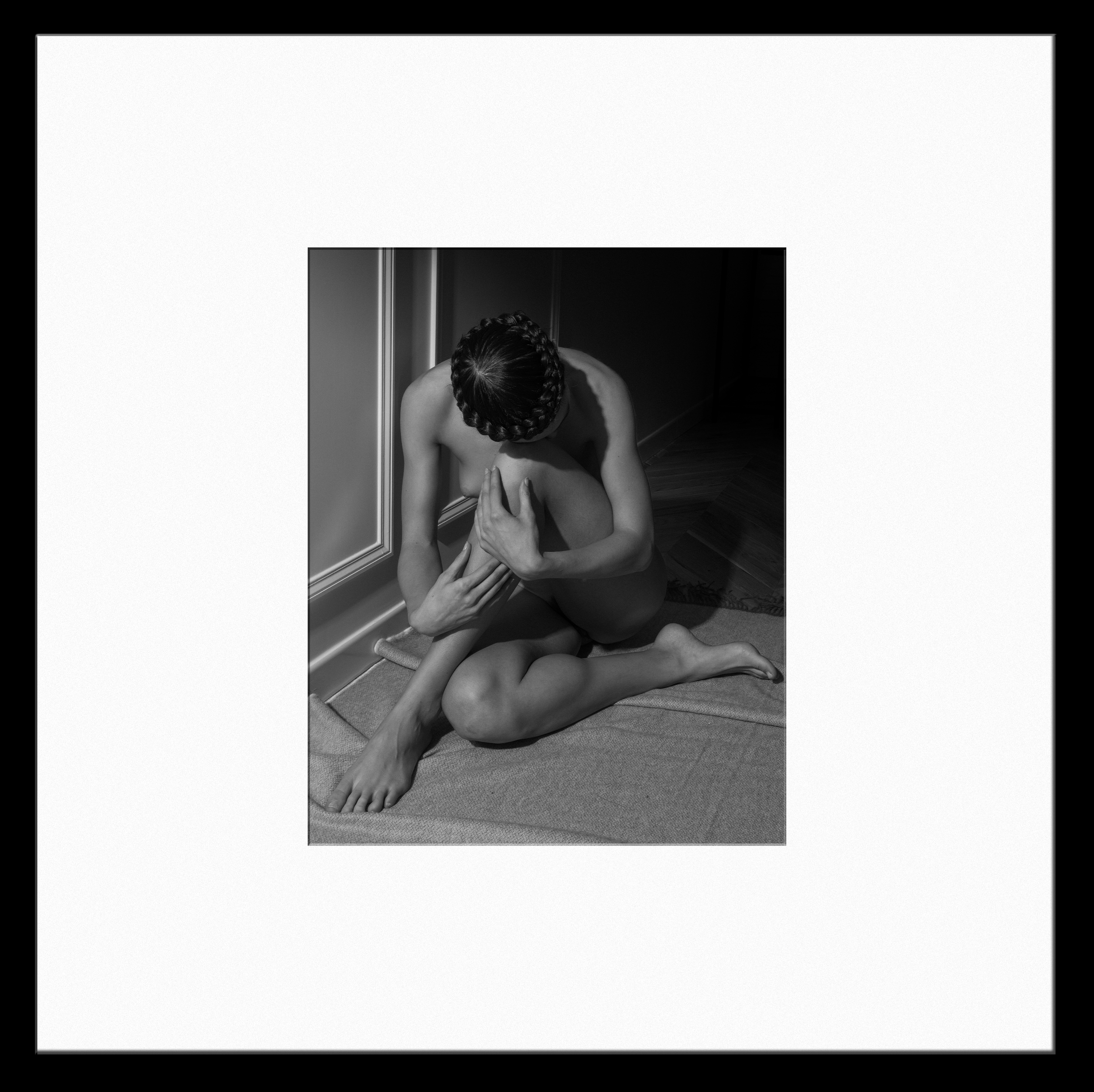
Opus 25
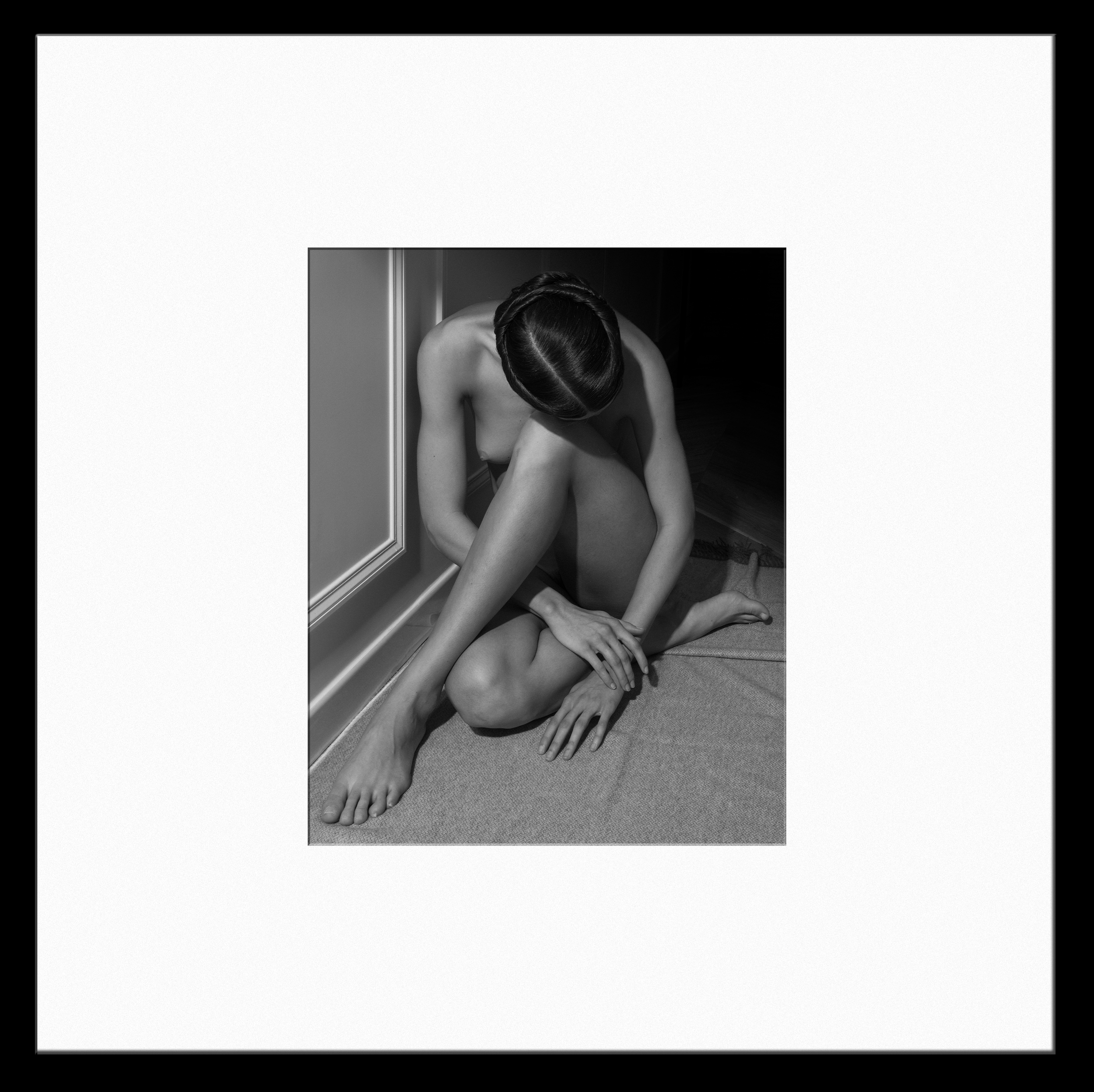
Opus 26
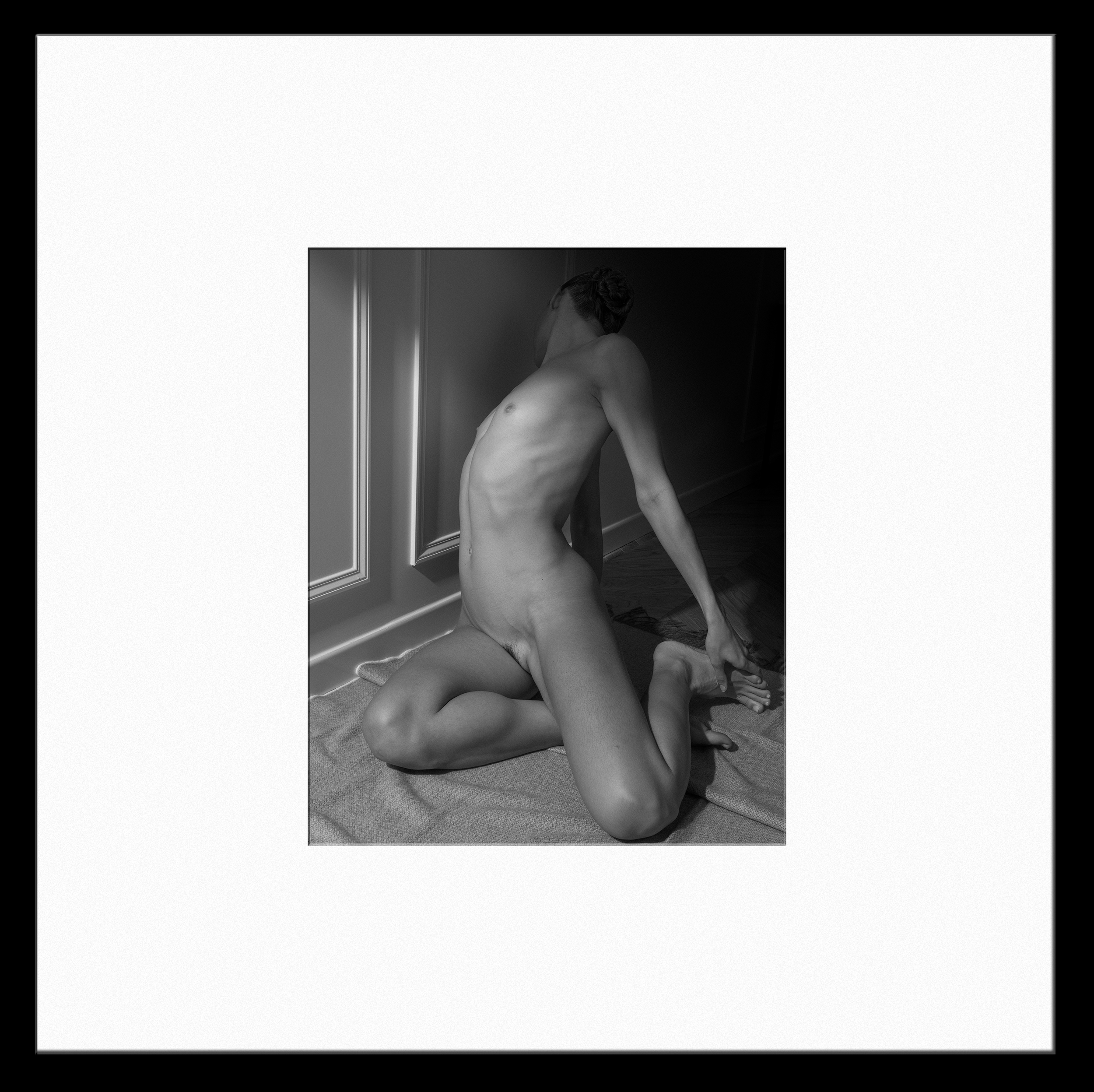
Opus 27
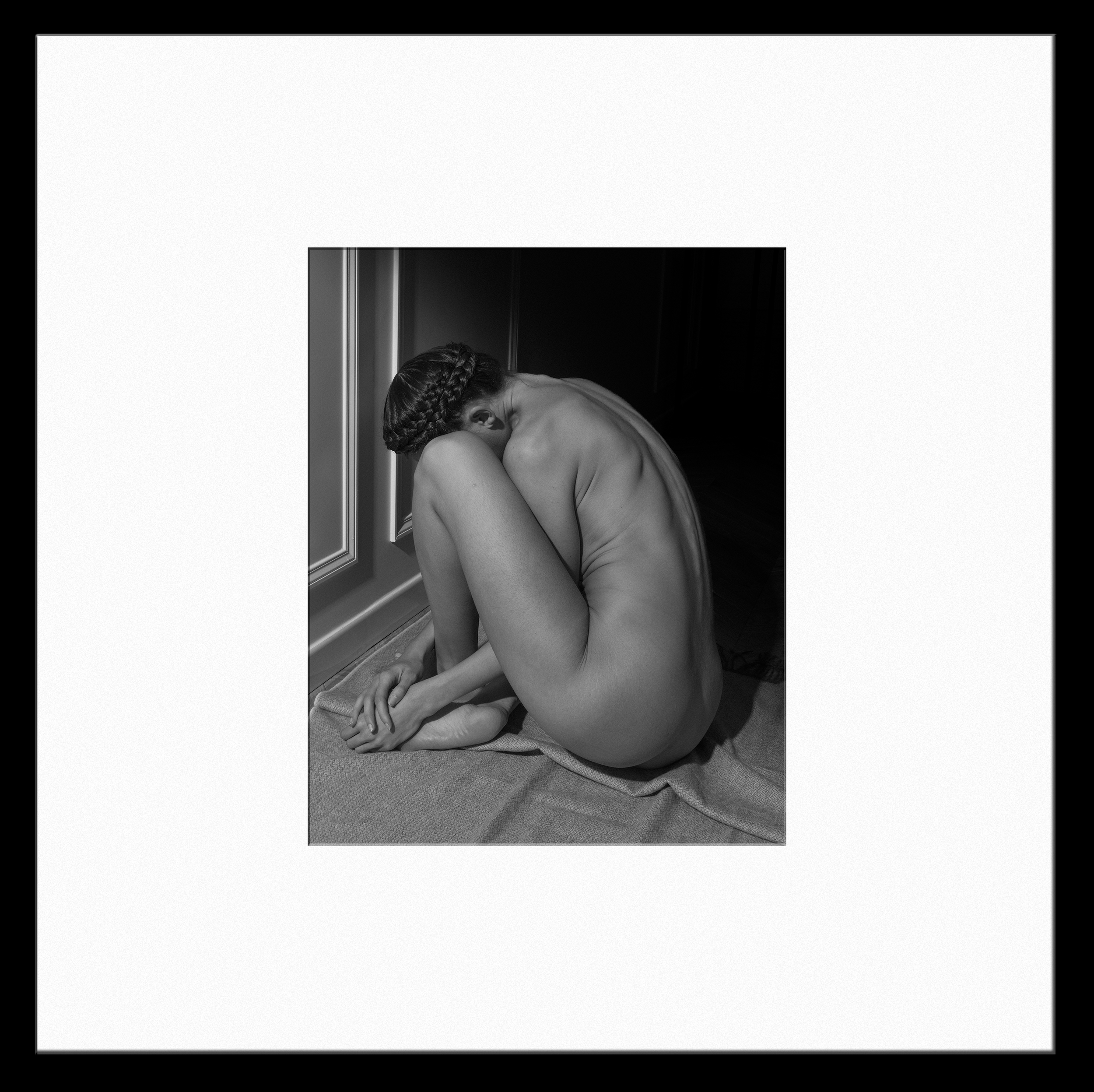
Opus 28
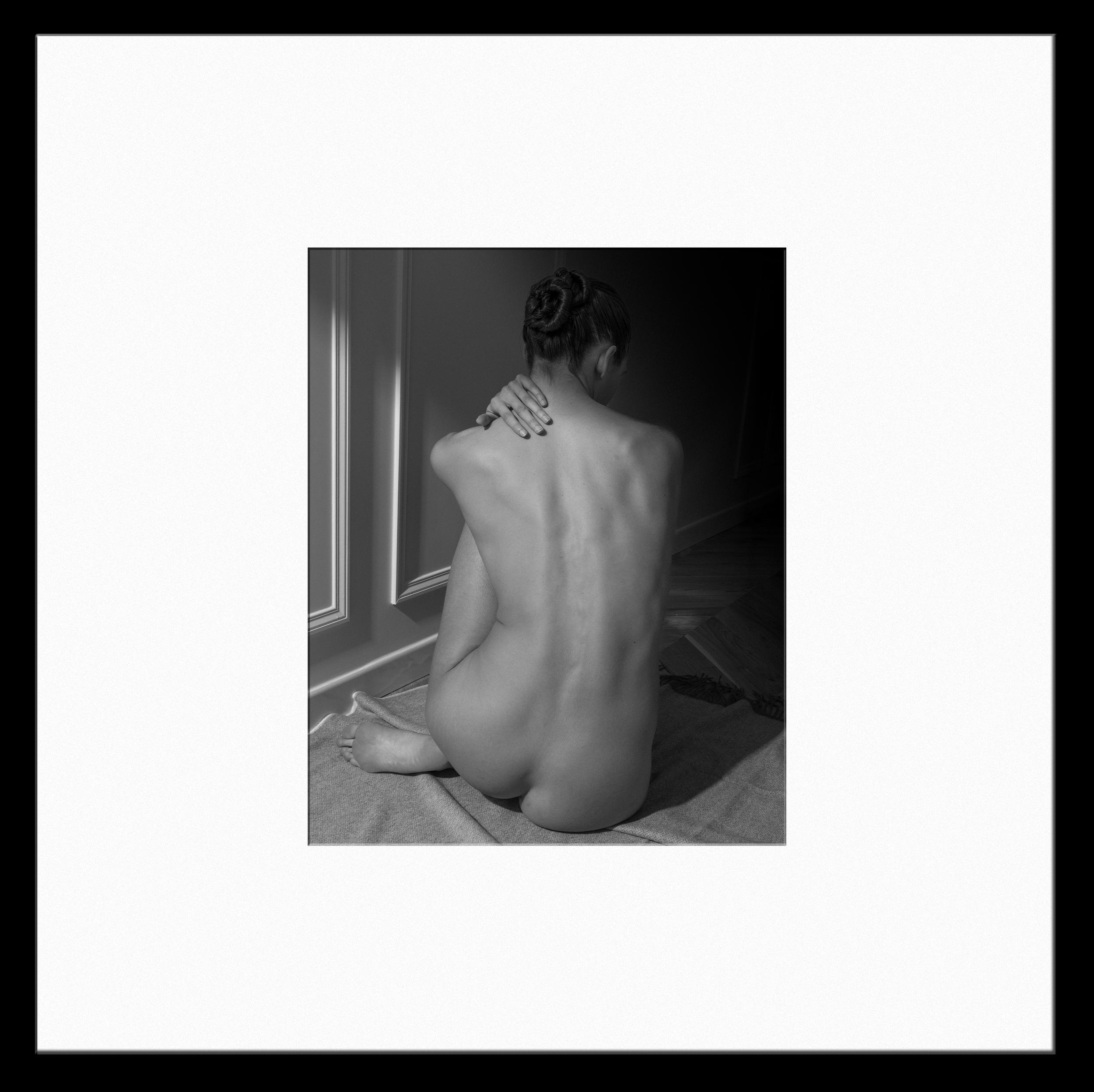
Opus 29
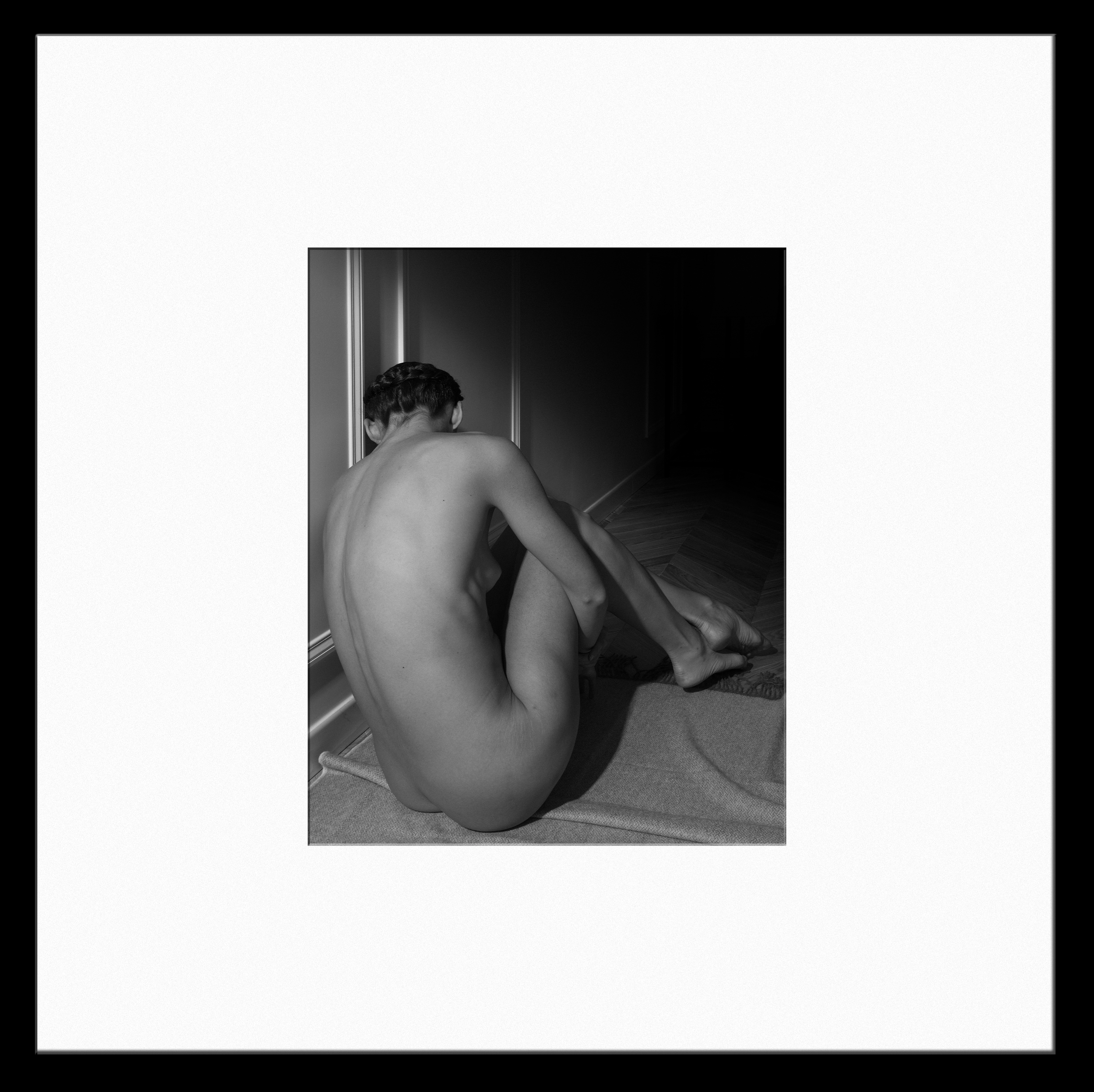
Opus 30

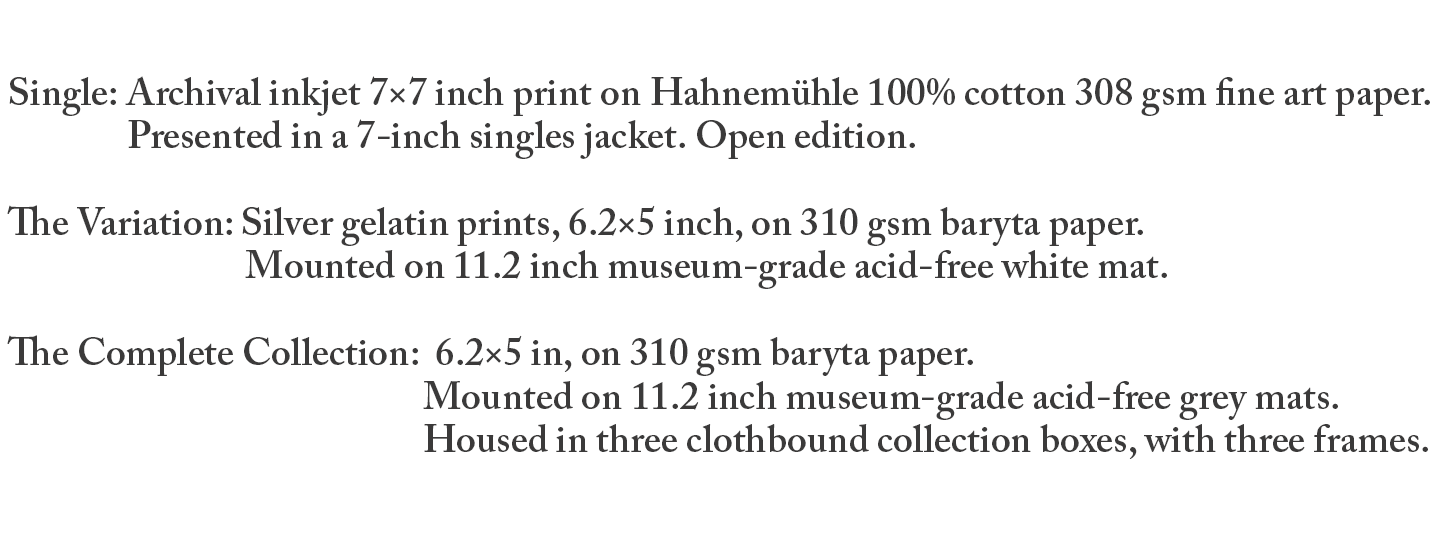
The Single 45 rpm - open edition
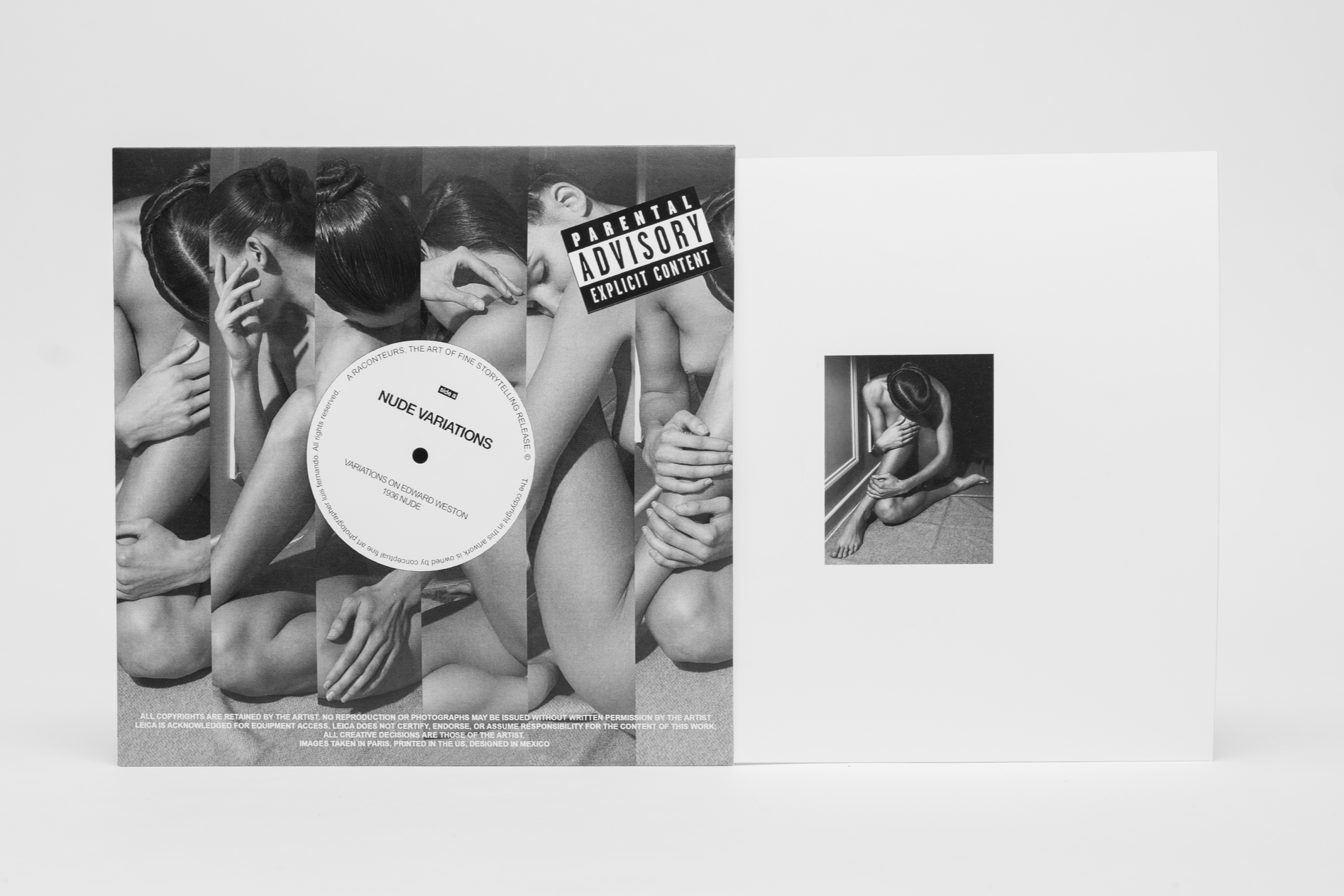
Each variation is available as an archival inkjet print on Hahnemühle 100% cotton fine art paper, housed in a 7-inch vinyl singles jacket.
The LP - limited edition of 333 per variation
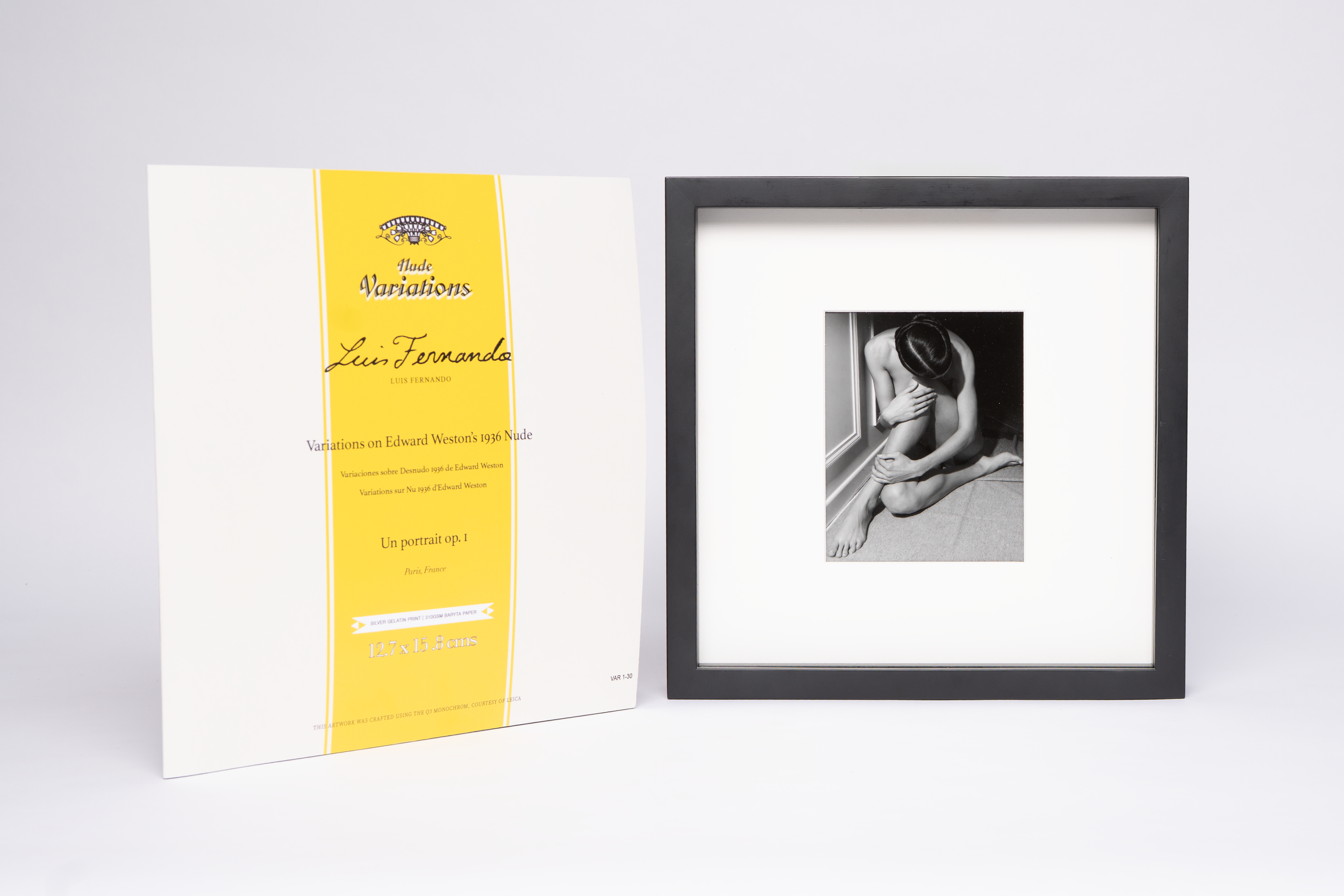
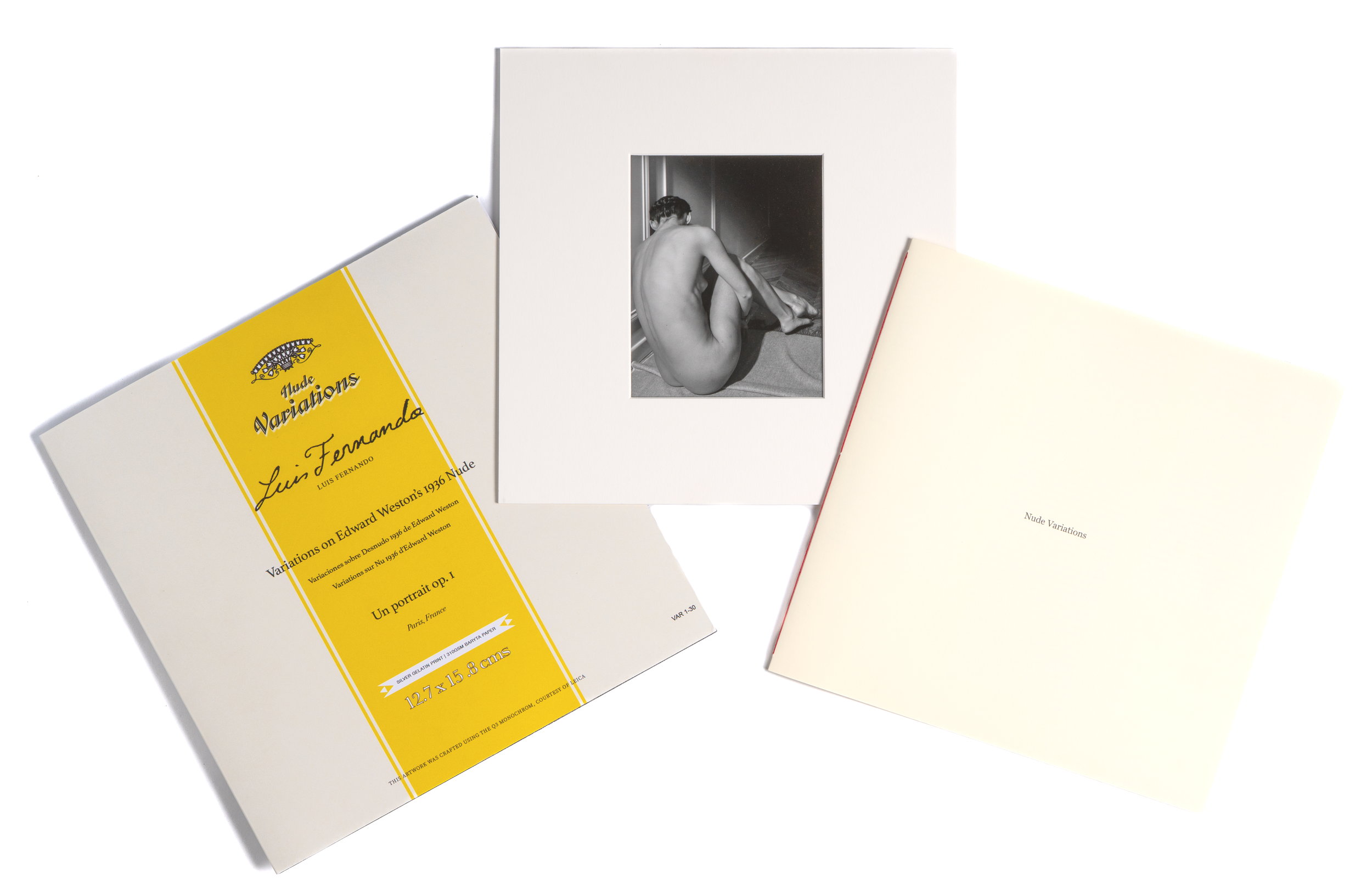
The collector's format. Each variation printed in silver gelatin, the original medium of fine art photography & mounted on a white museum-grade mat.
Includes a hand-sewn booklet, a poster of the full suite, a handmade envelope, the LP jacket with a back-cover image unique to your variation, numbered and signed certificate of authenticity, and access to the making-of documentary.
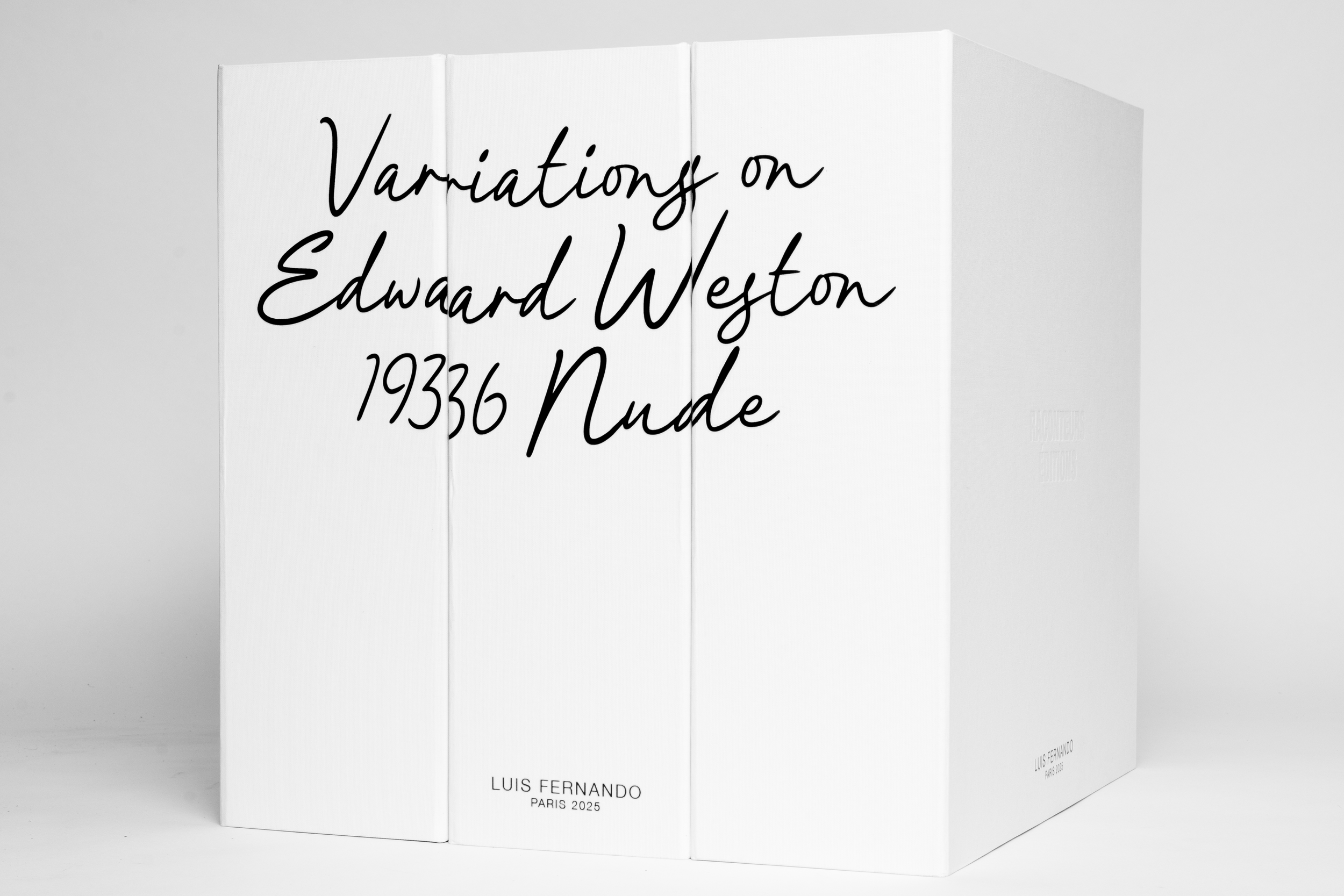
The Complete Collection - Edition of 30 worldwide
Only thirty collectors will ever hold the work in its entirety, all thirty variations, each with its full accompaniment, mounted on the grey museum-grade mat reserved exclusively for this edition.

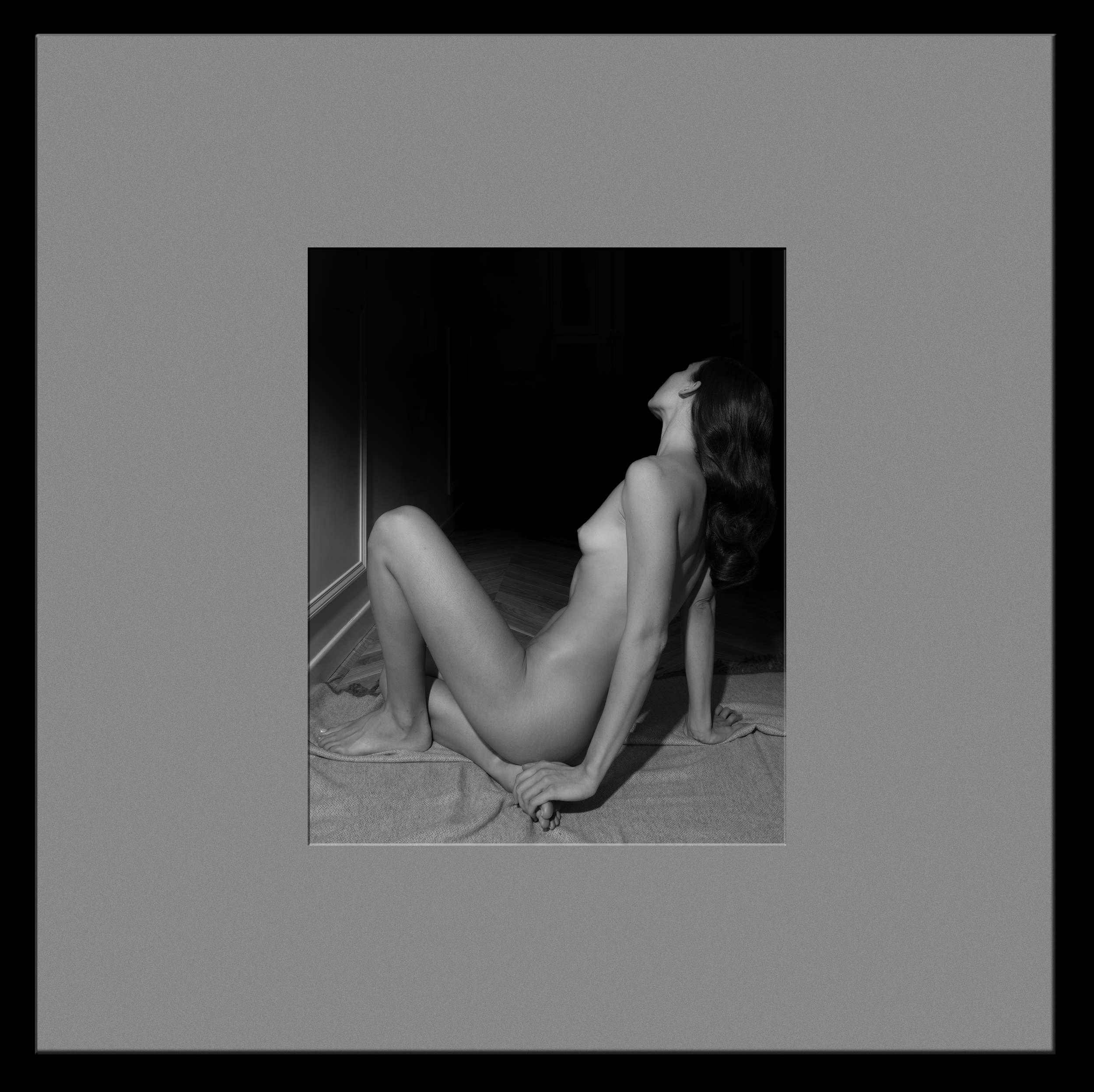
Variation 31
A thirty-first silver gelatin print that exists nowhere else. Never sold individually. Never exhibited for sale.
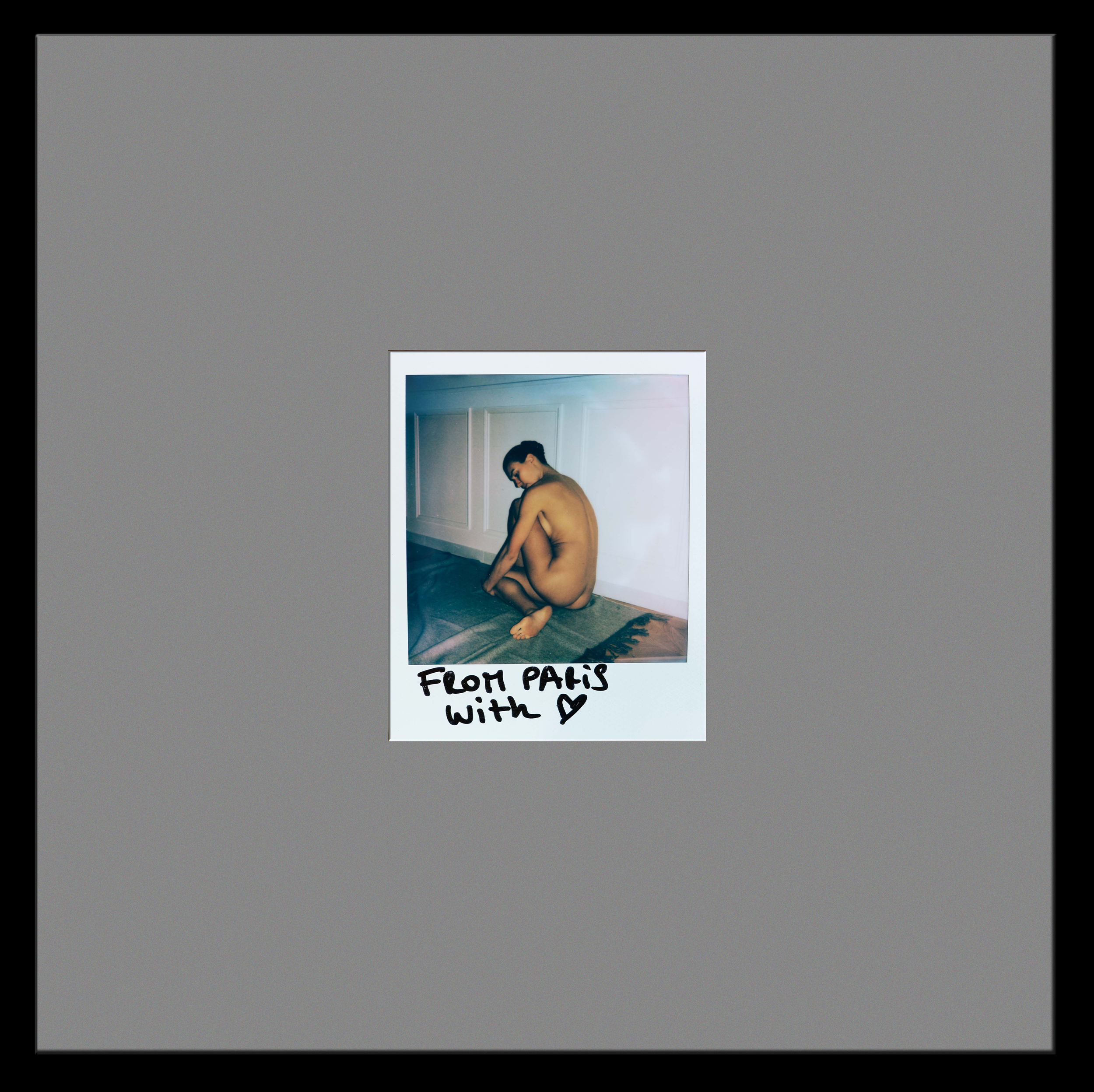
An original Polaroid signed by the model
A one-of-one from the Paris sessions. Each collection holds a different image, no two collections in the world are identical.
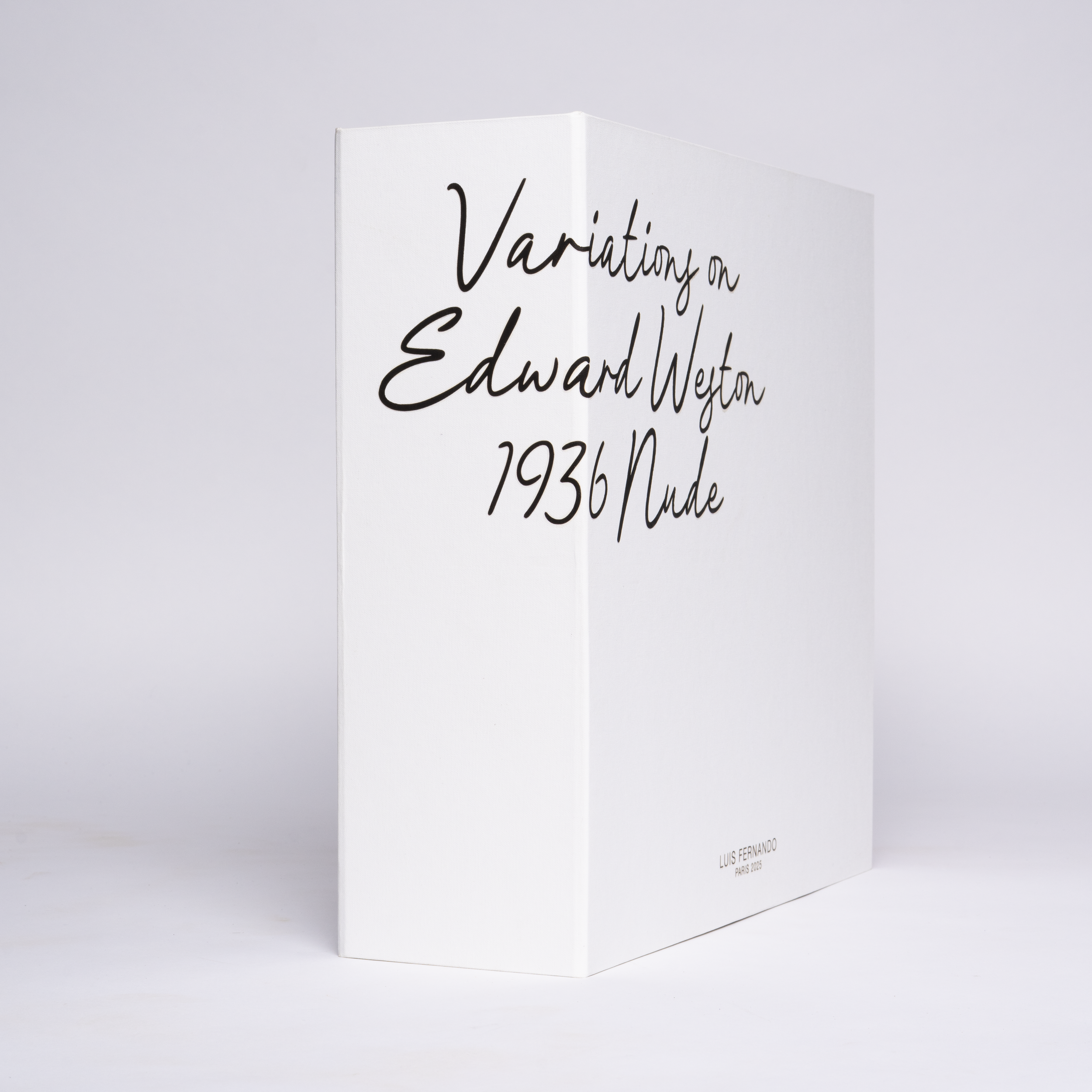
Three clothbound collection boxes and three frames
The complete work, housed and living on your walls.
Acquisitions by private inquiry

The inspiration
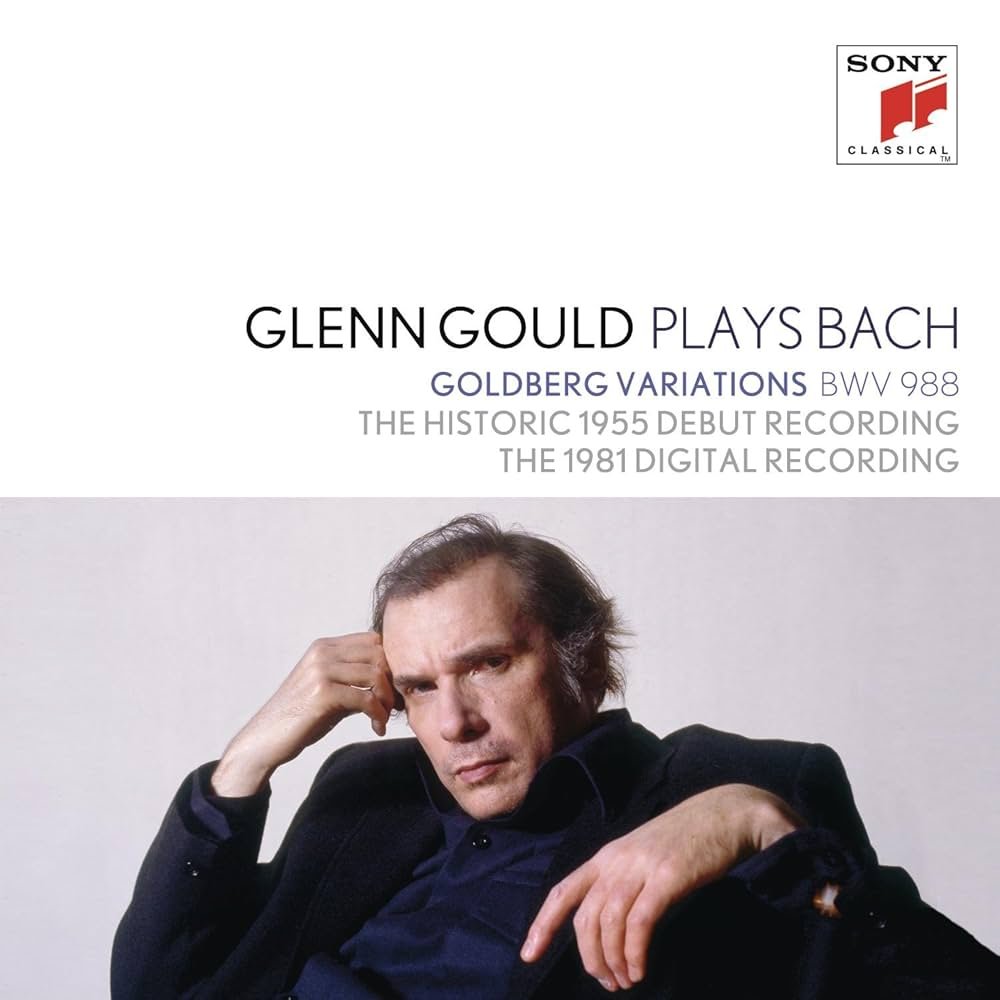
Creating variations on a theme was a way classical music composers like Bach, Beethoven, Mozart, Haydn, Schumann and Brahms showed their ingenuity and skill. This is the very first fine art photography collection created using this beloved music structure.
Why a nude?
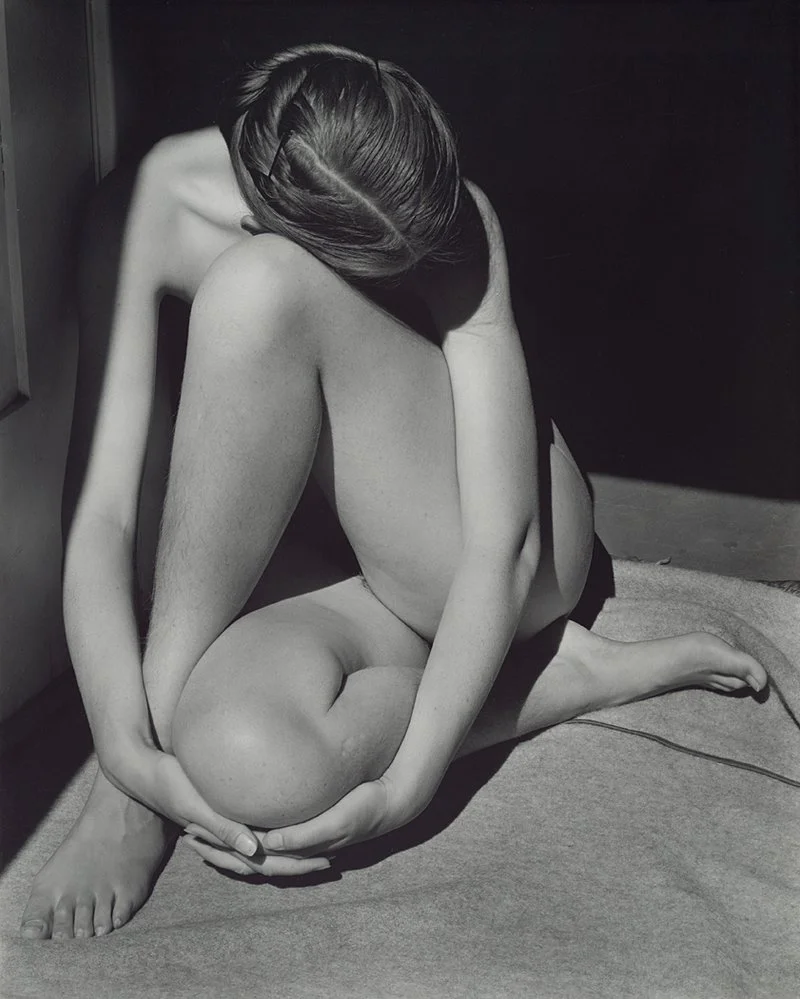
In his book Ways of Seeing, John Berger asserts that a nude needs to be seen as an object in order to be a nude. On the other hand, the idea of supra-sensual beauty, beauty that goes beyond what the senses can grasp, transcending towards a higher contemplation of beauty's deeper reality goes back to Plato.
This dialectic is resolved by understanding the nude not as an image of a person but a vessel that communicates the supra-sensual beauty that goes beyond what the senses can grasp, pointing towards something spiritual.
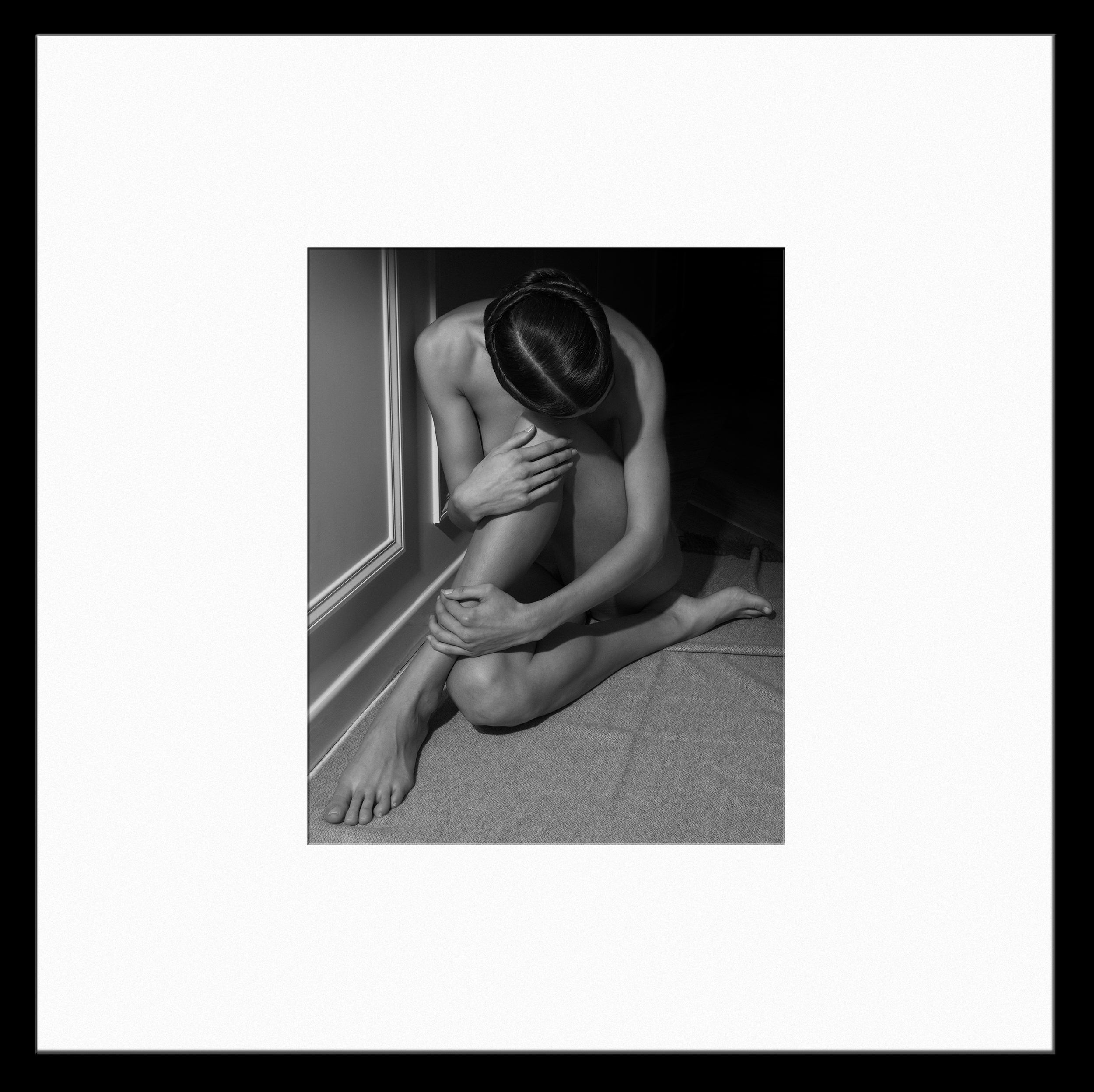
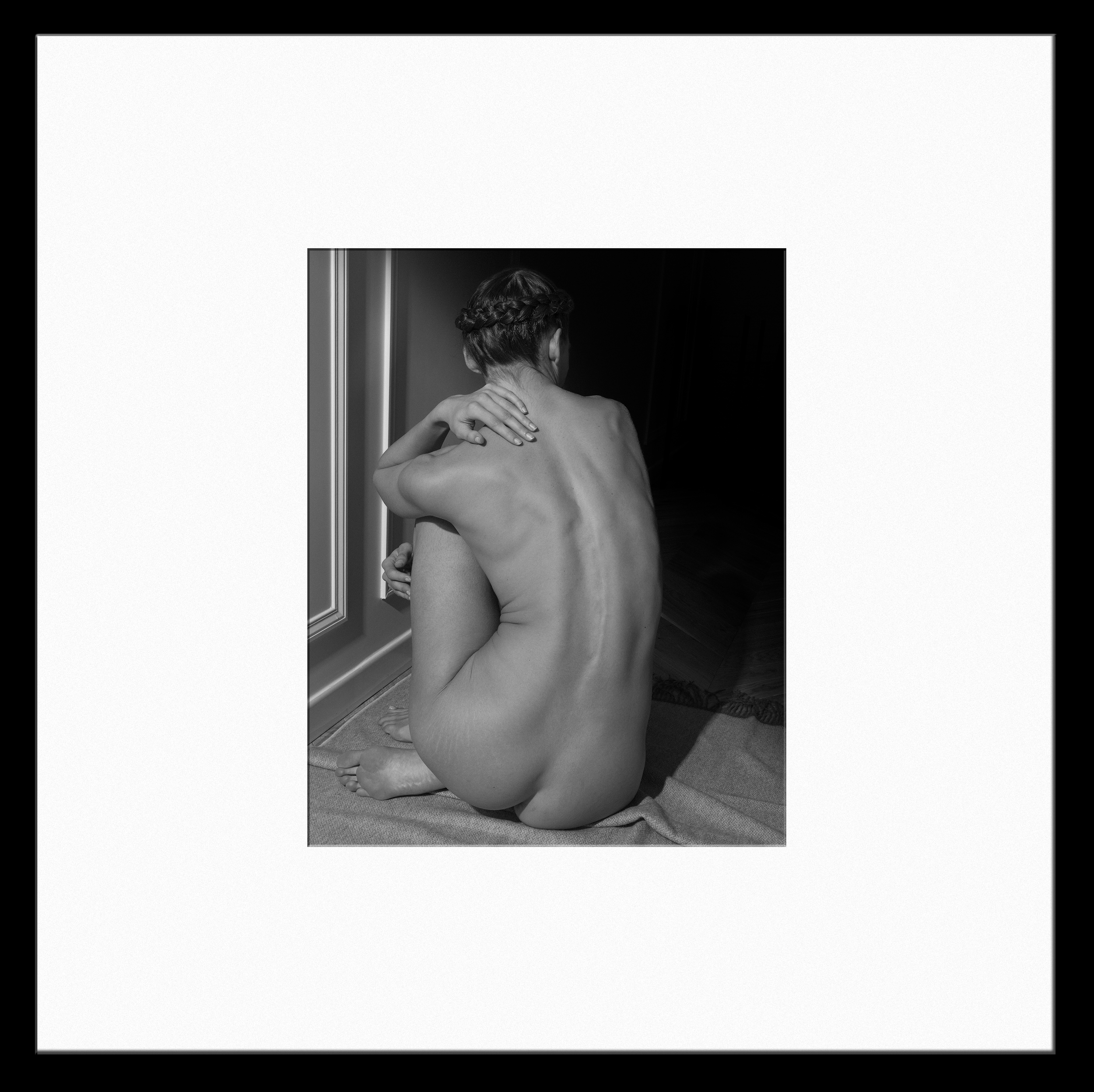
A nude therefore seems ideal as a starting point for the variations but, which one?. The reason I chose Edward Weston's 1936 nude of Charis Wilson is because it is an elegant, sculptural and sublime image. A type of visual poetry that touches something ineffable the way a well-crafted piece of literature or music does. I felt a profound joy and deep spiritual connection during the process of creating this visual poem and hope you experience this collection the same way.
The model
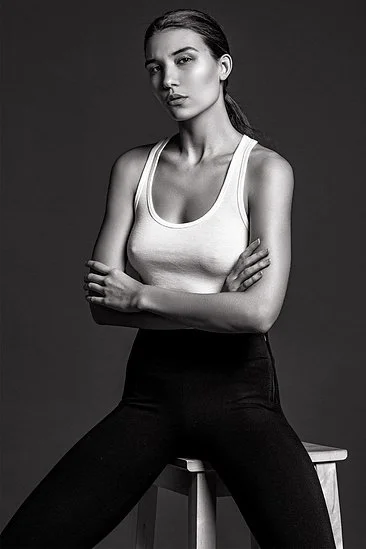
After contacting modeling agencies in New York, Mexico City, Amsterdam and Paris, I found Mathilde, who has over ten years of experience as a nude and hand model for the top brands in the world (Armani, Cartier, Lancôme, etc.). Having hand modeling experience is quite extraordinary for this project, as the hands are one of the most communicative elements in a nude artwork. Her spatial awareness is extraordinarily tuned and she understands her body as an instrument for emotional expression, not merely a subject. The photos were taken over a series of days in Paris in November 2025.
The camera
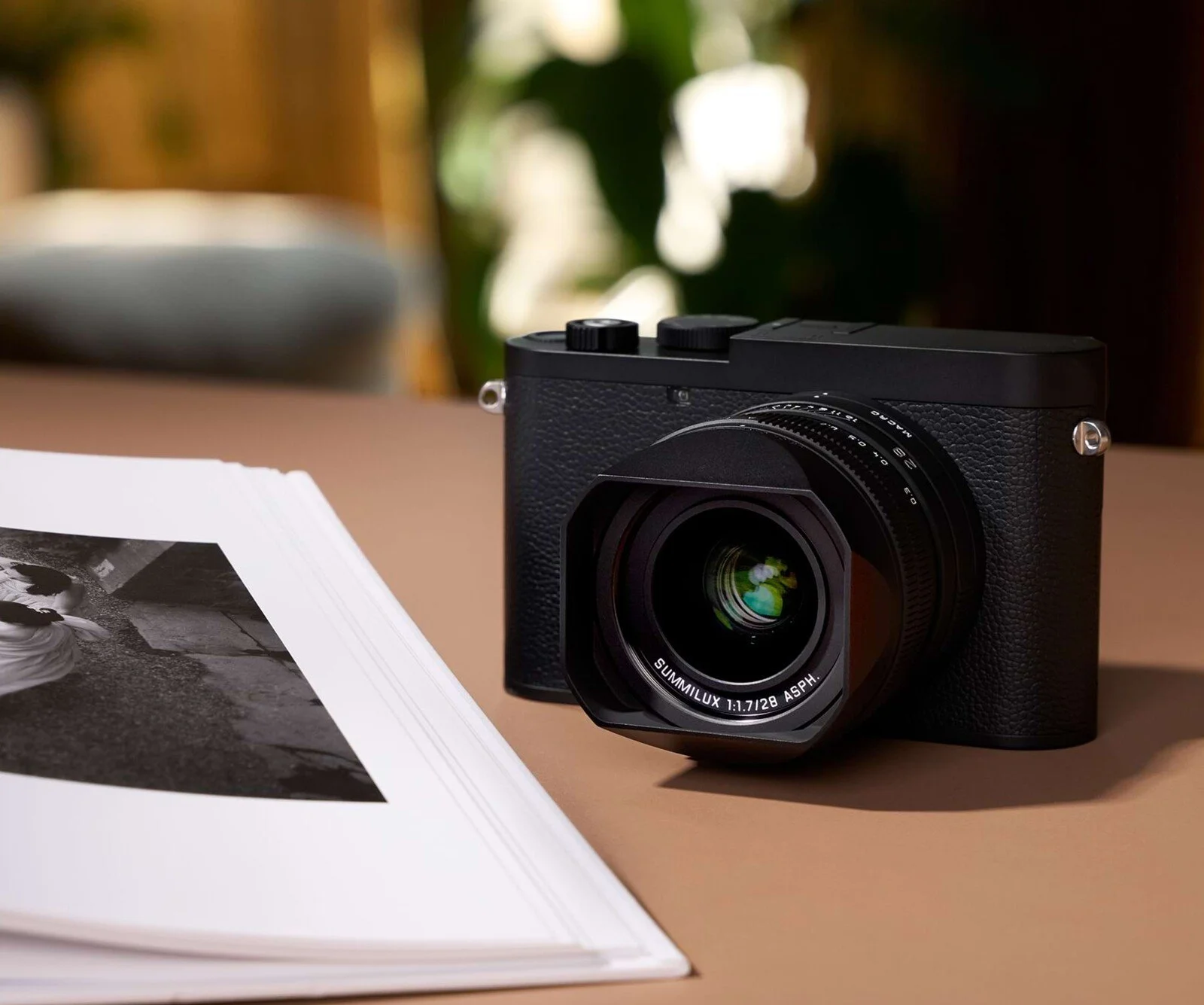
Leica supported this project by providing their at the time soon-to-be-released Q3 Monochrom, whose digital sensor only records black and white. As a result, the range of grays it captures is exceptional. Its 28mm lens, used with their digital crops, allowed me to recreate Weston's 8x10 camera's look.
Edward Weston printed Nude 1936 in silver gelatin on semi-glossy paper. To be faithful to the original in a limited edition series where the first to the last print must provide the same visual experience, I relied on Digital Silver Image in Massachusetts. They use a laser printer to expose light-sensitive Ilford Harman silver gelatin paper, which is then processed using traditional liquid photo chemistry. The downside is the smaller production quantity, but the experience of holding a print of this extraordinary quality and high degree of archivability is well worth it.

The print
The frame
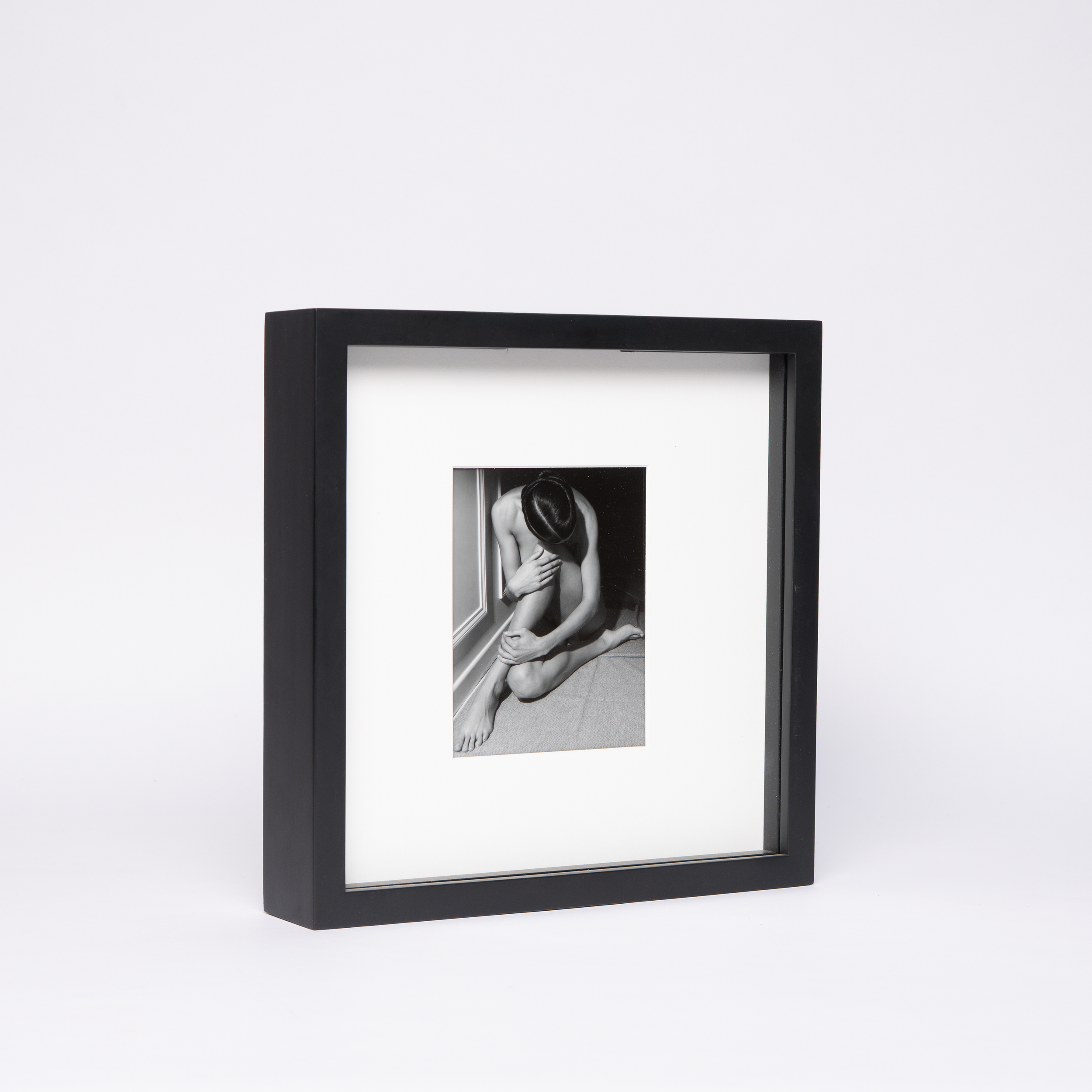
The frame was designed alongside Clip Taller in Mexico City. The intention is to bring to the photography print the same experience we had setting the vinyl on the record player. The frame's top-slit allows the collector to position the print and spend time with it, as we once did with music, until it's time to change to a new one. Collectors can also create their own combinations by having more than one frame. The images can be enjoyed on the frame or as a collection in a bookshelf in their corresponding collector set boxes.
The packaging
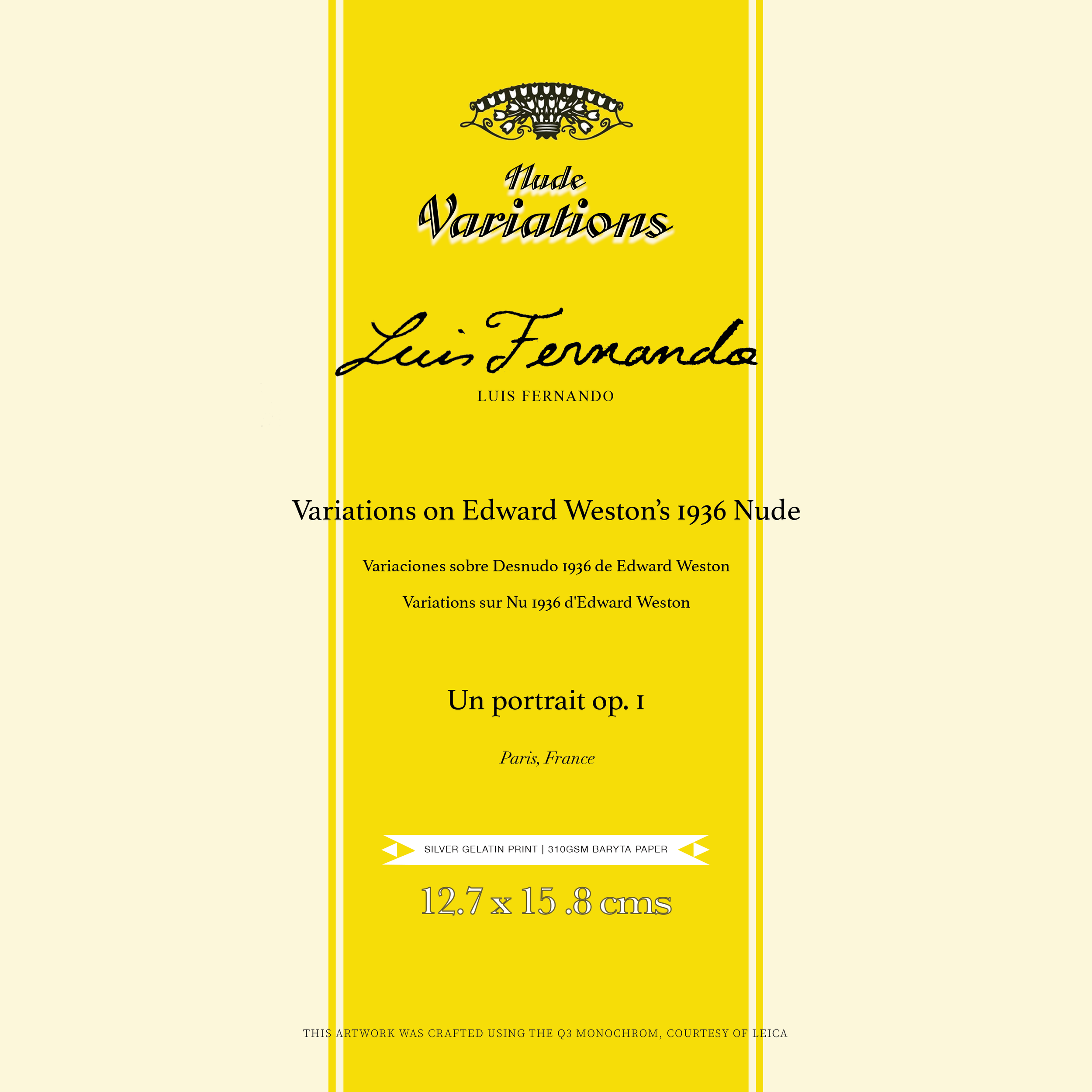
For the packaging, I wanted to make this collection an objet d'art and, given the collection's inspiration in Bach and Beethoven's variations, it made sense to design it as a collection of LP vinyls. In the beginning of the LP era, German producers like DGG, Telefunken, Decca, EMI-Electrola and Philips used a standard, frugal cover, simply designed and supplemented only by the summary of contents. That is what I went for. I based the front cover on a Deutsche Grammophon design and modified the logo to read Nude Variations. The rest is a facsimile of the original cover, with the album information replaced by this collection's. The back cover is unique to each variation and works as the certificate of authenticity. I took inspiration from rock LP jackets, using a black and white, grainy photo taken during the sessions in Paris but not part of the actual collection. The b-sides.
The selection and sequencing
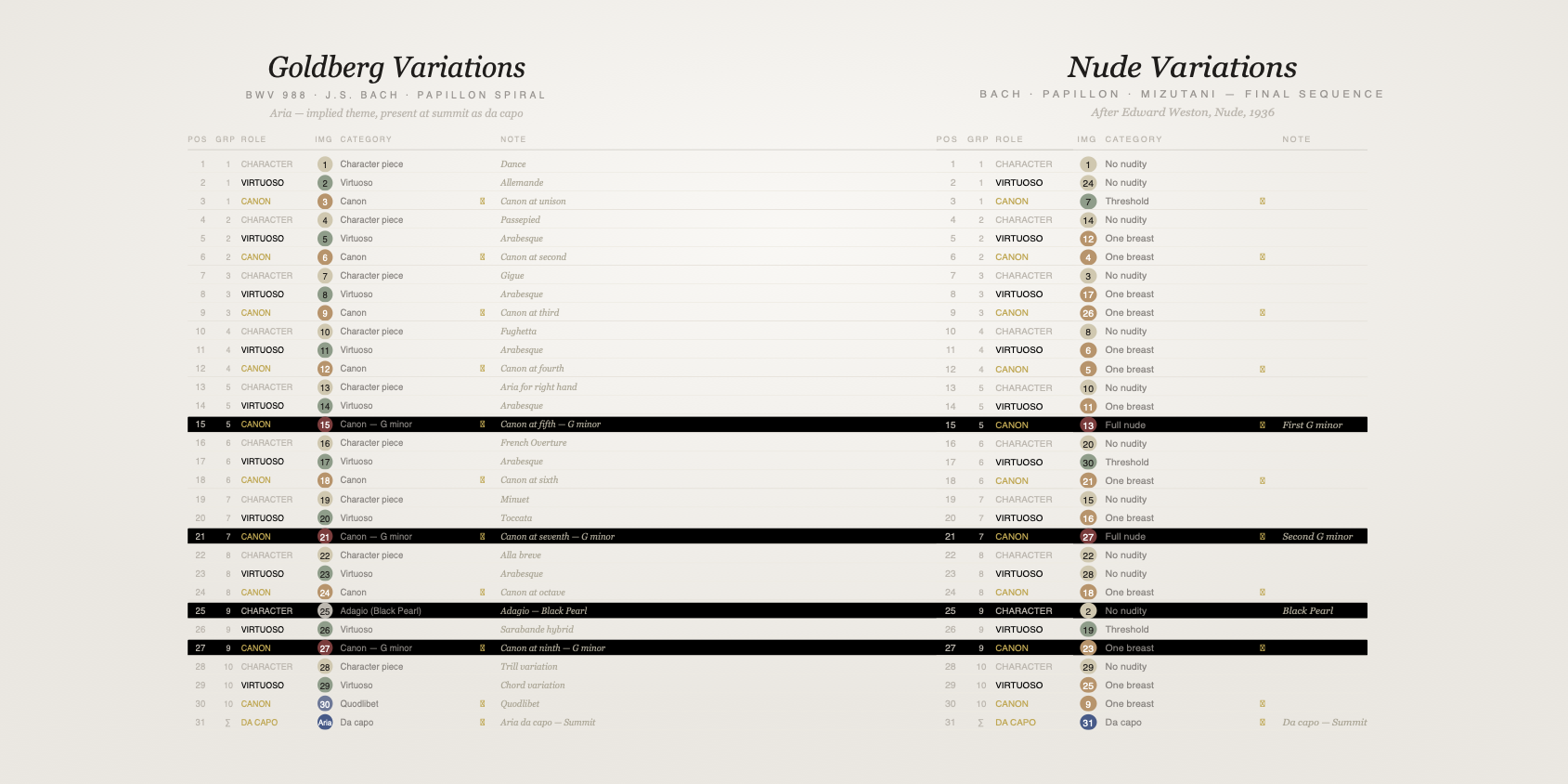
The selection process for the final 30 images + 1 had to be considered as a sequence and not as individual pieces: each addition impacting the previous ones and informing the next choice. Together they carry the spirit of the variations. Sequencing them was a different process. The 30 images + 1 are sequenced around two frameworks. The spiral geometry follows the Goldberg Galaxy, a hypothetical circular structure proposed by pianist and musicologist Françoise Papillon in her 2022 doctoral dissertation at the University of Washington. The internal grammar of each group of three: a character piece, a virtuoso piece, and a canon, was introduced to me through the work of architect Reiko Mizutani and pianist Satoko Kato, whose J.S. Bach House project applies this same structure to architecture. Papillon places the Aria at six o'clock on a clock face and lets the variations spiral outward clockwise through two and a half turns, arriving at the summit, the final variation, at twelve o'clock. Every third variation is a canon, and the canons land precisely on the clock's four axes, forming a cross. The cross was a deeply significant symbol for Bach. Applied to this collection, the 30 images spiral outward from Weston's 1936 nude at the implied center, each group of three departing from and returning to that origin before the next begins. The 31st image, the da capo, sits at the summit. Within each group, the three positions carry different structural weights. The character piece establishes a tone. The virtuoso piece introduces tension or elaboration. The canon, always landing on across axis, carries the greatest formal gravity. This grammar determined where images of different degrees of revelation could be placed.